FAIRLY TRADING WHOLESALE GIFTS SINCE 1995
Aromatherapy - Home Fragrance - Bathroom Heaven
Let’s be honest — Black Friday can feel like chaos for small retailers. Big chains drop 70% discounts, ad costs skyrocket, and customers expect miracles. But here’s the thing: you don’t need to play their game. You can absolutely make Black Friday work for you — profitably — if you know when to act, what to promote, and how to protect your margin.
Customers start hunting for deals three to four weeks before Black Friday. That means your campaign starts in early November, not the week before.
Use the first two weeks for preparation: finalise stock, confirm pricing, photograph key products, and start teasing upcoming offers online. The third week is for teasers — announce early access, collect email sign-ups, and build awareness through social media and window posters. The final week is when you launch your main offers — go live on Friday morning, keep it rolling through Cyber Monday, and extend a few days if you can.
By the time most people start thinking about Black Friday, your audience should already know something is coming.
Online shoppers peak in two waves — Thursday night between 7 p.m. and midnight, when they plan their purchases, and Friday morning from 9 to 11 a.m., when they buy. In-store traffic builds later, with the busiest hours usually between 11 a.m. and 2 p.m. on Friday, then again on Saturday afternoon when people continue shopping the deals they missed online.
This means your biggest online discounts should go live Thursday evening, and your physical shop should be open early Friday with staff ready for lunchtime crowds. Keep weekend promotions running to capture the second wave of footfall.
Before you post a single deal, set your margin rules. This is where small retailers can lose money fast.
Your minimum acceptable profit should be around 25%. Anything below that means you’re barely covering your costs once you factor in rent, packaging, staff time, and card fees.
If your usual margin is 45–50%, your Black Friday discounts should land somewhere between 15–25% off retail, depending on the product. Go slightly deeper on slow-moving stock, but never across everything.
The safest way to protect profit is through bundling. Offer curated sets or gift boxes at a slightly lower combined price rather than heavy discounts on individual products. Customers see more value, and you keep your margin healthy.
You can also use tiered offers — spend £30 to get 10% off, spend £60 to get 15%, spend £100 to get 20%. This encourages bigger baskets without slashing your profits.
Not every product belongs in a Black Friday deal. Focus on items that attract attention, create volume, or introduce new customers to your brand.
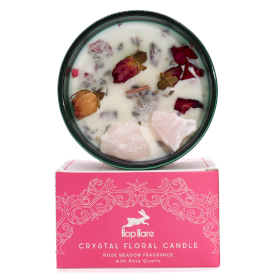
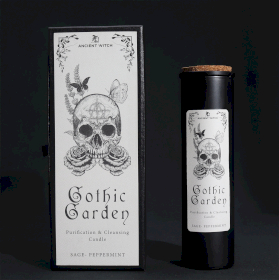
Giftable items like candles, bath products, accessories, and home décor work beautifully, as do seasonal and self-care products aimed at early Christmas shoppers. Bundles and sets look generous but protect your margins better than deep single-item discounts.
Avoid cutting prices on your bestsellers that already perform well — people will buy those anyway. Instead, use slower sellers as attention-grabbers and build deals around them.
Many wholesalers run their own trade promotions in November — things like 15% off the selected products or free products with qualifying orders. These are golden opportunities for small retailers.
If you restock during that time, you can either pass the full discount to your customers or keep part of it to strengthen your own margin. For example, if you get 15% off wholesale, you could offer 10% to the customer and keep 5% profit. That’s how you stay competitive without damaging your pricing structure.
It’s also a good time to test new product lines in small quantities — seasonal gift sets, bath bombs, candles, or wellness products often perform best during this period.
When it comes to marketing, consistency matters more than budget. Customers start noticing Black Friday advertising in early November, with engagement peaking between the 20th and 27th. Most people need to see your offer at least three times before they act, so post early and often.
Use behind-the-scenes clips, short videos of products being packed, or small gift guide carousels. Keep your message simple: one strong offer per post. Email works best in a three-part rhythm — a teaser (“Something big is coming”), a launch (“It’s here”), and a reminder (“Ends tonight”).
For in-store, use QR codes that link directly to your online offers, and add countdown posters in your windows to build anticipation. If you’re running paid ads, start with small budgets in early November when clicks are cheaper, then scale around the 20th when people are ready to buy.
You’ll never outspend a big retailer, but you can out-human them — and that’s your biggest advantage.
Focus on the things they can’t replicate: real people, real stories, and real connection. Talk about where your products come from, show your team wrapping orders, and thank your community for supporting small business. Customers increasingly choose local shops that feel genuine, even if the discounts are smaller.
Craft a short story for your campaign — something like, “We’re a small Sheffield shop bringing handmade gifts from real artisans to your home. Thanks for supporting local this Black Friday.” Use it across your marketing, in emails, and even in your packaging.
Most of the people buying from you on Black Friday are first-timers. Your job is to make them come back.
Send a short thank-you message after the weekend — either by email or WhatsApp — and include a reason to return, like 10% off in December or free gift wrapping on their next visit. That small gesture can turn one-time shoppers into loyal customers.
If you follow this structure, you’ll enter the busiest retail week of the year with a plan instead of panic. Start early. Protect your 25% margin floor. Use your wholesaler’s promotions to boost profits. Pick the right hero products. Schedule your emails and social posts before the rush. Be visible. Be human.
Big brands might win Black Friday with money. Small retailers win it with timing, connection, and care. Treat this season not as a scramble, but as a learning opportunity — a chance to sharpen your strategy and grow your customer base. Because the best thing about a well-planned Black Friday isn’t just the sales. It’s how much smarter you’ll be when the next one comes around.

Help
Our Services
Our Services
Discover
Why Choose AW?
Why Choose AW?
About AW
About AW
The AW Family
*****
*****
Ancient Wisdom Marketing Ltd.
Affinity Park, Europa Drive
Sheffield, S9 1XT
United Kingdom
VAT: GB764298589
REG: 04108870