FAIRLY TRADING WHOLESALE GIFTS SINCE 1995
Aromatherapy - Home Fragrance - Bathroom Heaven
The bath and body market in the UK has undergone a remarkable transformation over the past decade. Once considered a purely functional part of daily hygiene, the bath is now a ritual of relaxation, indulgence, and wellness. As self-care continues to gain momentum, consumers are searching for products that offer more than just cleansing—they want experiences that soothe the mind, body, and soul. While bath bombs and salts remain staples, a new category is emerging that promises to redefine bathing entirely: bath potions.
The UK wellness market is booming, with consumers increasingly investing in products that promote relaxation, mindfulness, and skin health. Recent reports show that wellness-related retail sales continue to outpace traditional bath and body lines, reflecting a growing appetite for products that offer both luxury and efficacy. Bath time has become a moment to unwind after long workdays or stressful weeks, and many shoppers are actively seeking ways to change this simple routine into a personal ritual.
Retailers have observed a shift in consumer behaviour: buyers no longer settle for purely functional products. They now prioritise multisensory experiences—products that combine scent, colour, texture, and benefits for the skin. In this context, bath potions are perfectly positioned to meet these evolving demands.
Understanding the unique characteristics of each bath product category helps retailers curate collections that resonate with diverse audiences:
Bath Bombs: Famous for their fizz and spectacle, bath bombs provide instant visual and aromatic appeal. They are highly giftable and popular among younger consumers, particularly those influenced by social media trends. However, bath bombs are primarily cosmetic; they dissolve quickly and offer limited therapeutic benefits.
Bath Salts: Rich in minerals such as magnesium and often derived from natural sources, bath salts are valued for their therapeutic properties. They promote muscle relaxation, aid circulation, and can improve skin texture. While highly effective, salts generally lack the multi-sensory dimension that modern shoppers increasingly crave.
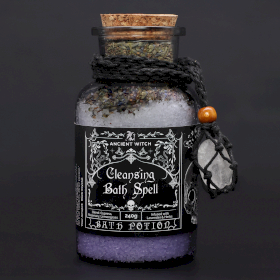
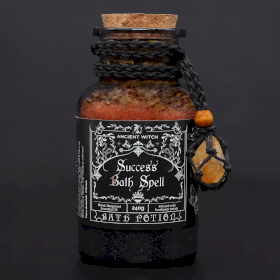
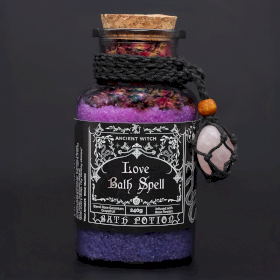
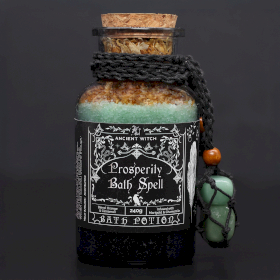
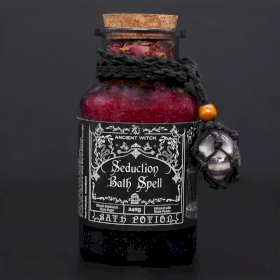
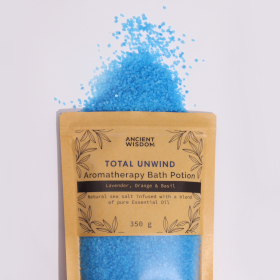
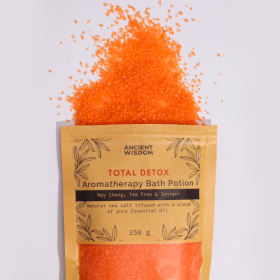
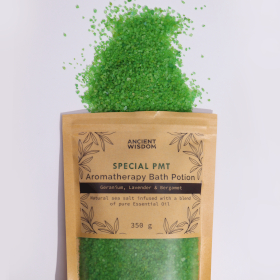
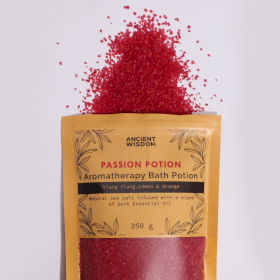
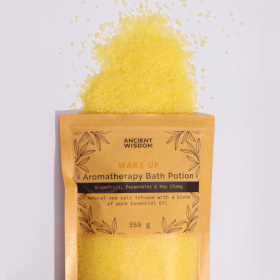
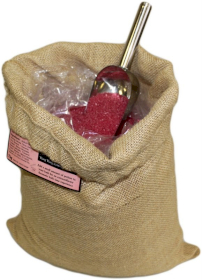
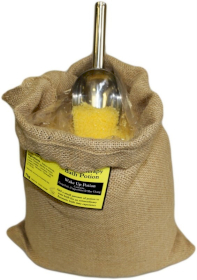
Bath Potions: The next evolution, potions combine the best aspects of bombs and salts while adding layers of sophistication. Infused with essential oils, botanicals, and skin-loving ingredients, potions transform a bath into a holistic wellness experience. Unlike bath bombs, potions can be blended or layered, enabling consumers to tailor their soak to their mood or desired effect. Their visual appeal, aromatic complexity, and nourishing qualities make them stand out on both shelves and in the bath.
Beyond their luxurious and therapeutic qualities, bath potions also carry a touch of mystique. The very word “potion” evokes images of alchemy and witchcraft, lending products an air of ritual and enchantment. This cultural association makes them appealing not only to wellness enthusiasts but also to consumers drawn to spiritual or magical self-care practices. The concept of a “potion” transforms a simple bath into an immersive, almost ceremonial experience, broadening the appeal to a niche yet growing market segment.
Bath potions are more than a novelty—they offer tangible benefits that modern consumers value:
Sensory Immersion: Carefully crafted aromas can enhance mood, reduce stress, and even improve focus. Multi-layered scents make each bath a unique, memorable experience.
Skin Health: Infused with oils, vitamins, and minerals, potions nourish and hydrate, leaving skin feeling soft and cared-for. This combination of indulgence and efficacy appeals to wellness-minded buyers.
Personalisation and Ritual: Unlike other products, bath potions can be tailored to specific needs, moods, or times of day, encouraging repeat purchases and fostering consumer loyalty.
Visual and Experiential Appeal: Many potions incorporate vibrant colours, shimmer, or suspended botanicals, enhancing the ritualistic element of bathing and creating strong “shareable moments” on social media.
Gift Potential: In the UK, bath potions are perfect for luxury gifting, combining aesthetic appeal with wellness benefits—a combination that resonates particularly during seasonal peaks like Christmas, Valentine’s Day, and Mother’s Day.
The growing demand for ritual-based wellness products presents a significant opportunity for retailers looking to differentiate their offerings. Bath potions, with their unique combination of sensory appeal, luxurious ingredients, and storytelling potential, allow boutiques, spas, and independent shops to upgrade their premium collections. By introducing these products, retailers signal both expertise and a keen awareness of evolving consumer trends, positioning themselves as leaders in a competitive market.
Beyond prestige, bath potions also offer strong commercial advantages. Their perceived value often surpasses that of traditional bath bombs or salts, enabling retailers to achieve better margins while offering customers a product that feels indulgent and worthwhile. Because bath potions can be tailored to mood, occasion, or personal preference, they naturally encourage repeat purchases. Shoppers are drawn to their customisable, sensory qualities, returning again and again to explore new blends and experiences.
Moreover, bath potions appeal to the modern, experience-driven consumer. Today’s buyers are increasingly motivated by the story behind a product, not just its function. Each potion delivers a narrative—whether it’s a calming soak after a busy day, an energising start to the morning, or a spiritual ritual —that resonates deeply with customers. By offering these immersive products, retailers are providing more than a bath item; they are creating a moment of indulgence that fosters connection, loyalty, and delight.
To maximise the appeal of bath potions, retailers can adopt strategic merchandising approaches:
Storytelling Displays: Use signage to highlight the purpose, mood, or benefits of each potion. A “relaxation corner” or “energising ritual” section can help customers navigate options easily.
Interactive Sampling: Encourage shoppers to smell or touch the product, creating an immersive experience in-store.
Cross-Selling: Pair potions with candles, bath brushes, towels, or aromatherapy tools to create bundled gift sets or lifestyle displays.
Seasonal and Themed Collections: Curate ranges that align with seasonal moods—“Autumn Renewal,” “Spring Awakening,” or “Winter Calm”—to stimulate repeat seasonal purchases.
Digital Storytelling: For online retailers, share mini videos or tips for ritual use, helping customers visualise the experience at home.
The future of bath and body retail in the UK is about more than just products—it’s about experiences, stories, and rituals. Bath potions exemplify this shift, combining luxury, functionality, and sensory immersion. Looking ahead, key trends that will shape the category include:
Sustainability and Clean Ingredients: Consumers are increasingly conscious of eco-friendly formulations, ethically sourced botanicals, and plastic-free packaging. Retailers who stock sustainable potions can tap into this growing segment.
Customisation and Personalisation: Products that allow mix-and-match options or mood-specific blends will continue to attract engagement and repeat purchases.
Integration with Lifestyle and Wellness Trends: Potions that complement mindfulness, meditation, and self-care routines will resonate with wellness-focused audiences, from spa-goers to home practitioners. There is also a growing interest in products inspired by mysticism, alchemy, and modern witchcraft, where bath rituals are seen as moments of magic or personal empowerment.
For UK retailers, embracing bath potions is more than a business opportunity—it’s a chance to offer products that transform a simple bath into an extraordinary experience. By curating, educating, and presenting these products effectively, retailers can capture the next wave of wellness-driven consumer demand and establish themselves as purveyors of modern luxury and ritual.

Help
Our Services
Our Services
Discover
Why Choose AW?
Why Choose AW?
About AW
About AW
The AW Family
*****
*****
Ancient Wisdom Marketing Ltd.
Affinity Park, Europa Drive
Sheffield, S9 1XT
United Kingdom
VAT: GB764298589
REG: 04108870