FAIRLY TRADING WHOLESALE GIFTS SINCE 1995
Aromatherapy - Home Fragrance - Bathroom Heaven
Valentine’s Day is a key seasonal opportunity for independent retailers across the UK. Even when household budgets are tight, shoppers still want to give gifts that feel personal, thoughtful, and special. For local gift shops, boutiques, lifestyle stores, holistic outlets, florists, and market traders, Valentine’s offers more than a single day of sales — it’s an opportunity to showcase curated, meaningful products that create lasting impressions.
This guide is written specifically for retailers who want to strengthen their Valentine’s offering in 2026. It combines consumer insights, trend forecasts, merchandising tips, and practical product recommendations to help you prepare a profitable, customer-friendly range.
Valentine’s remains one of the most dependable seasonal events in the UK retail calendar. Despite fluctuating economic conditions, consumers continue to value physical gifts, and independent shops are often preferred because they offer products that feel personal, unique, and high-quality.
Recent UK research shows that over 40% of adults purchase a Valentine’s gift each year, with the 25–34 age group typically spending the most. Customers are increasingly drawn to products that combine romance with practicality, from home fragrance and pampering kits to jewellery and meaningful accessories. Self-care gifts such as bath bombs, aromatherapy oils, and spa sets are also on the rise, appealing to those buying for themselves as well as for others.
Sustainability is another growing factor. Shoppers are paying attention to natural ingredients, eco-friendly packaging, and artisanal or small-batch products. Retailers who highlight these qualities can differentiate their ranges and connect with conscientious consumers.
Key trends UK retailers should consider for 2026 include:
Gifts that feel meaningful and personal
Self-care and wellness items that double as romantic or thoughtful gifts
Beautifully packaged or pre-bundled items for convenience
Affordable luxury products that appeal to multiple budgets
Last-minute gift solutions for busy shoppers
While these trends provide guidance, understanding your local customer base and their preferences is equally important. Some shoppers focus on classic romantic gifts, while others are looking for self-love items or small, thoughtful tokens. Clear displays, curated bundles, and well-organised stock can help all types of customers find exactly what they need — quickly and confidently.
When planning your Valentine’s range, it’s important to focus on categories that consistently perform, while also tapping into emerging trends. Customers are drawn to gifts that feel thoughtful, visually appealing, and ready-to-give. In 2026, the most successful categories combine romance, wellness, and practicality.
1. Home Fragrance and Candles
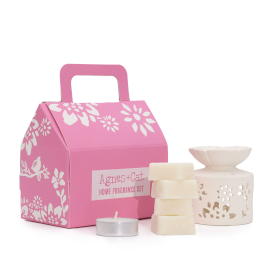
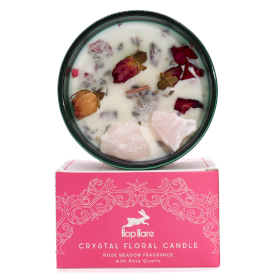
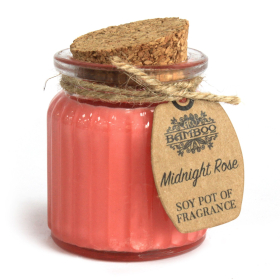
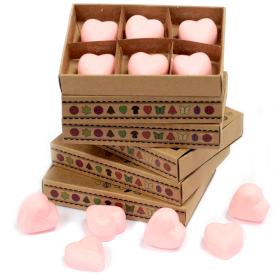
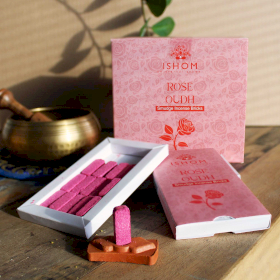
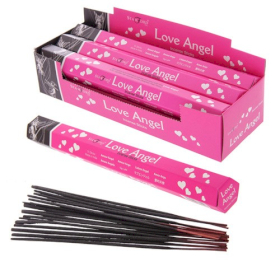
Candles, diffusers, and incense remain Valentine’s essentials. Shoppers appreciate products that transform a space, create ambience, and add a touch of luxury. Heart-motive candles, scent-themed bundles, or aromatherapy blends that promote relaxation are particularly popular. Retailers who offer a mix of mid-range and premium options can cater to both gift buyers and self-purchasers. Highlighting scents with romantic or comforting associations — such as rose, lavender, vanilla, or sandalwood — can help guide customers toward purchases.
2. Bath, Body, and Self-Care Products
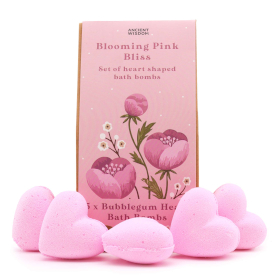
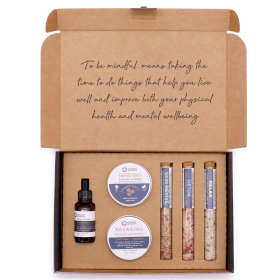
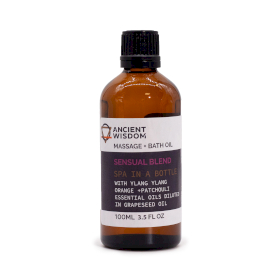
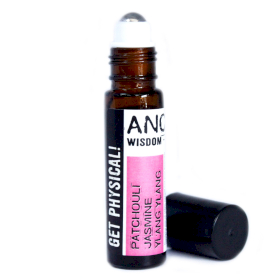
The rise of self-love gifting has made bath and body products a core Valentine’s category. Bath bombs, bath salts, massage oils, soaps, and spa kits appeal to those seeking a pampering experience. Curating your stock into ready-to-gift sets — rather than selling items individually — encourages higher spend and simplifies decision-making for last-minute buyers. Presenting these products with elegant packaging or in themed bundles can increase their perceived value and make them highly giftable.
3. Jewellery and Accessories
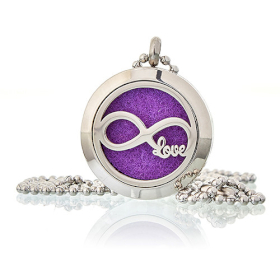
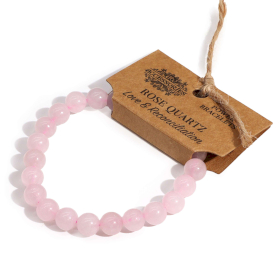
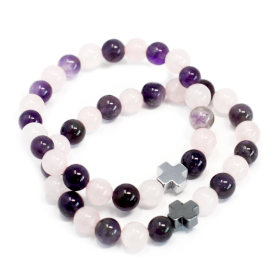
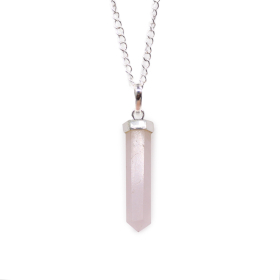
Jewellery continues to be a classic Valentine’s choice, particularly for those buying for partners. Bracelets, necklaces, and gemstone-based pieces attract shoppers looking for keepsakes that feel personal. Retailers can enhance appeal by offering simple, elegant options alongside more distinctive or statement items, ensuring a price range that accommodates both cautious spenders and those seeking premium gifts.
4. Novelty and Themed Gifts
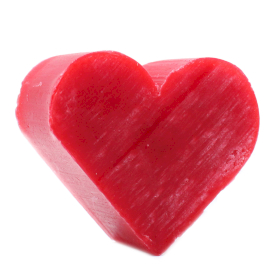
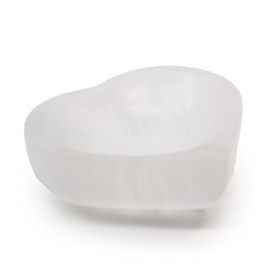
Fun, themed items remain important for shoppers seeking light-hearted Valentine’s options. This category includes small gifts like heart-shaped décor, novelty tokens, and seasonal accessories. While these items often have lower individual margins, they drive impulse sales and can complement higher-value purchases when displayed strategically at the till or near main product displays.
5. Crystals, Aromatherapy, and Spiritual Gifts
Holistic and wellness-oriented gifts have seen growing demand. Crystals, incense, essential oils, and related accessories appeal not only to spiritual shoppers but also to those seeking unique, thoughtful presents. Highlighting the properties of different items — such as relaxation, balance, or love-related symbolism — can create compelling storytelling that encourages purchases.
The most effective Valentine’s offering balances these categories. Shoppers are drawn to curated ranges that feel intentional rather than overwhelming. A small section of high-impact items — premium candles, gemstone bracelets, or spa kits — can be complemented with mid-range gift bundles and affordable impulse-buy items, ensuring there is something for every shopper and every budget.
Gift bundles are one of the most effective ways for independent retailers to increase average spend and simplify the buying process for customers. By combining complementary products, you can create ready-to-purchase solutions that feel thoughtful and premium, without the shopper needing to think too much. For Valentine’s, bundles are especially appealing because they align with the emotional and convenience-focused nature of seasonal shopping.
Why Gift Bundles Work
Shoppers are often time-poor or uncertain about what to buy. A well-curated bundle removes that friction. Bundles also allow retailers to:
Increase average transaction value
Promote mid-range or premium products alongside smaller items
Showcase new or slow-moving stock in a compelling way
Make smaller stores feel more abundant and curated
When designing Valentine’s bundles, the goal is to create combinations that make sense emotionally and practically. Bundles should tell a story: a “Relax and Unwind” spa set, a “Romantic Evening” home fragrance package, or a “Self-Love Treat” box for personal indulgence.
For independent retailers, there are several effective bundle types:
Relaxation & Self-Care Bundles
Combine bath bombs, scented candles, and essential oils. A small crystal or gemstone can add a “special touch” that enhances perceived value.
Romantic Gift Sets
Pair a candle, heart-themed décor, and a bath or massage product. This type of bundle appeals to shoppers buying for partners and fits neatly into the classic romantic category.
Affordable Impulse Bundles
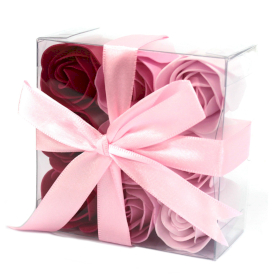
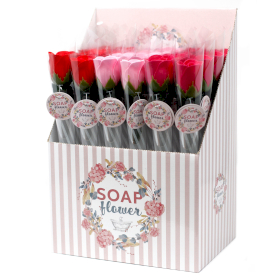
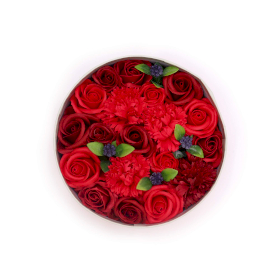
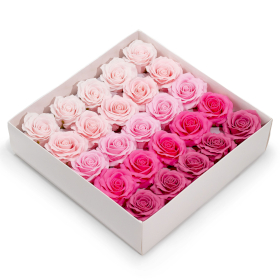
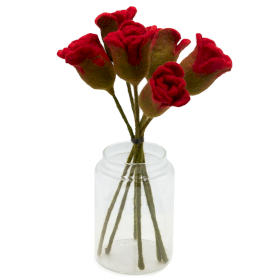
Mix smaller items like soap flowers, small incense packs, or tiny gemstone trinkets. These bundles are easy for last-minute shoppers and encourage add-on purchases at the till.
Premium Curated Boxes
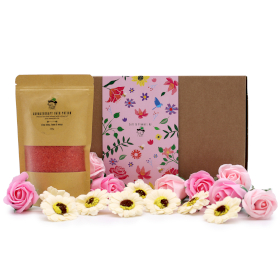
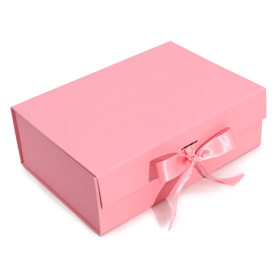
For shoppers willing to spend more, include a high-end candle, larger spa set, and a gemstone or accessory. Attractive packaging and a cohesive theme can make the box feel luxurious and gift-ready.
The key to successful bundles is balancing perceived value with actual cost. Use products that are complementary and have varying price points. For instance, pairing a small bath bomb with a mid-priced candle creates a bundle that feels premium, but the combined wholesale cost is manageable. Bundles also allow you to move stock strategically, pairing slower-moving items with popular products.
By carefully curating your Valentine’s gift bundles, you provide convenience, inspiration, and emotional appeal for your customers, while also boosting your sales, margins, and customer satisfaction.
Even the best products and gift bundles need the right presentation to sell. How you display Valentine’s stock in-store — and online, if you sell digitally — can significantly influence customer decisions. In 2026, UK shoppers are drawn to visually appealing, easy-to-navigate displays that make choosing gifts simple and enjoyable.
Shoppers respond to atmosphere and storytelling. Start by dedicating a specific section of your store to Valentine’s. This could be a window display, a front-of-store feature, or a dedicated shelf or table. The idea is to make Valentine’s stock stand out from everyday products while telling a cohesive story.
Think about themes: a “Romantic Evening” corner could showcase candles, bath bombs, and home fragrance together, while a “Self-Care Treat” area could focus on aromatherapy, spa products, and gemstones. Cohesive colour schemes — reds, pinks, soft pastels, and metallic accents — help tie products together and catch the eye.
Lighting and signage are important. Soft, warm lighting enhances candles and bath products, while clear, readable signs guide shoppers toward bundles, promotions, or price ranges. Even a simple “Gift Ideas Under £15” or “Perfect for Last-Minute Shoppers” can make browsing effortless.
Position your products based on shopper behaviour. High-footfall areas, near entrances or tills, are ideal for impulse-buy items like small soaps and soap flowers, incense, or miniature candles. Gift bundles and higher-value products benefit from slightly more prominent displays, ideally at eye level or on dedicated tables where customers can interact with them.
Grouping complementary products together encourages add-on purchases. For example, placing a candle next to a bath bomb and a gemstone accessory instantly suggests a complete gift idea, without requiring the customer to plan it themselves.
Use layers and height: Elevate products with boxes, stands, or crates to create depth and draw attention.
Highlight textures and packaging: Attractive wrapping or natural materials stand out, especially for products like bath bombs, soaps, or candles.
Keep it tidy: Overcrowded displays can confuse shoppers. A curated, uncluttered look reinforces quality.
Rotate stock: Refresh bundles or featured items regularly to give a sense of abundance and novelty.
Leverage storytelling: Small tags or cards explaining the purpose of a crystal, scent, or wellness product adds perceived value.
Windows are your first opportunity to attract attention. Simple, themed displays using your Valentine’s products can create curiosity and draw shoppers inside. For smaller shops, even a single table near the entrance can serve as a Valentine’s “experience zone,” where products are grouped, bundled, and presented as ready-to-gift.
Seasonal props — soft fabrics, floral accents, heart-shaped décor, or subtle lighting — can enhance the appeal without overshadowing the products themselves. Remember: shoppers want inspiration, not clutter.
If your store sells online, mirror your in-store strategy. Feature Valentine’s collections prominently on the homepage, create bundle sections, and use lifestyle photography that showcases products together. Clear category titles, bundle recommendations, and storytelling copy will guide customers through the purchase journey, just as you would in-store.
By combining thoughtful product selection, curated bundles, and visually appealing merchandising, retailers can make Valentine’s shopping easy, enjoyable, and high-converting. When customers can quickly see, touch, and experience the value of your products, they’re more likely to make multiple purchases — boosting both sales and margins during the crucial Valentine’s period.
6–8 Weeks Before Valentine’s (Late December – Early January)
Review last year’s Valentine’s sales to identify best-sellers and slow movers.
Forecast stock quantities based on expected footfall and trends.
Place wholesale orders early to secure high-demand products.
4–6 Weeks Before Valentine’s (Mid – Late January)
Start assembling gift bundles and pre-packaged sets.
Plan store layout and window displays.
Update marketing copy, social media posts, and online Valentine’s collections.
2–3 Weeks Before Valentine’s (Late January – Early February)
Launch promotions and highlight gift bundles in-store and online.
Train staff to upsell and advise on gift selections.
Begin merchandising displays and ensure Valentine’s products are clearly visible.
1 Week Before Valentine’s (7–14 February)
Rotate high-demand products to prime locations.
Promote last-minute gift solutions with signage and social media posts.
Check stock levels daily and reorder fast-moving items if possible.
Valentine’s Day 2026 presents a significant opportunity for independent retailers who are prepared, thoughtful, and strategic. By understanding your customers, stocking the right categories, creating attractive gift bundles, and designing compelling displays, you can increase sales, encourage repeat visits, and enhance your store’s reputation as a go-to destination for Valentine’s gifts.
Start early, plan carefully, and remember that the customer experience is just as important as the products themselves. When shoppers feel inspired, confident, and cared for, they’ll not only purchase more — they’ll return for future seasons, and your store will become synonymous with memorable, meaningful gifts.

Help
Our Services
Our Services
Discover
Why Choose AW?
Why Choose AW?
About AW
About AW
The AW Family
*****
*****
Ancient Wisdom Marketing Ltd.
Affinity Park, Europa Drive
Sheffield, S9 1XT
United Kingdom
VAT: GB764298589
REG: 04108870