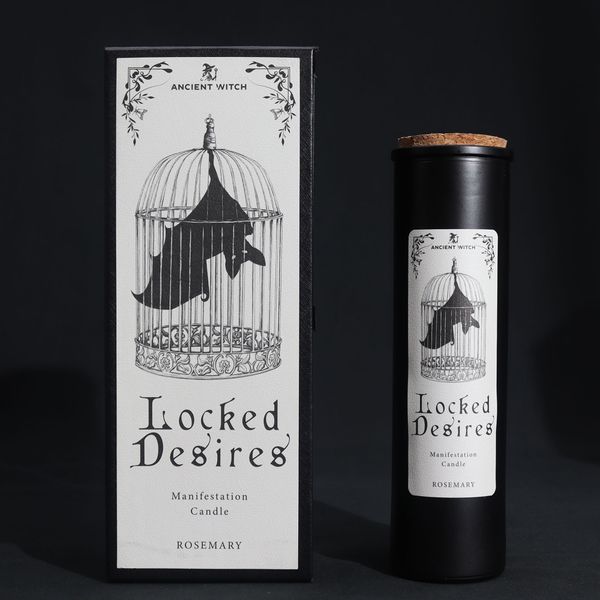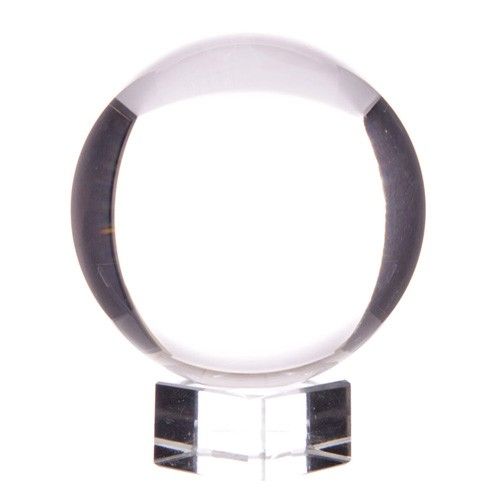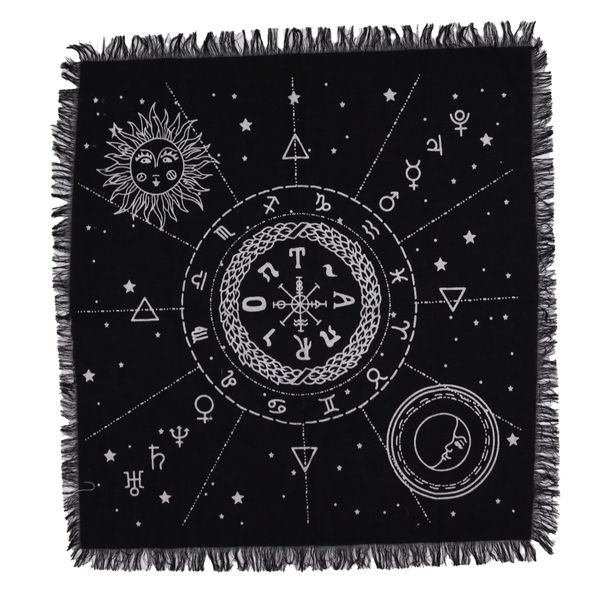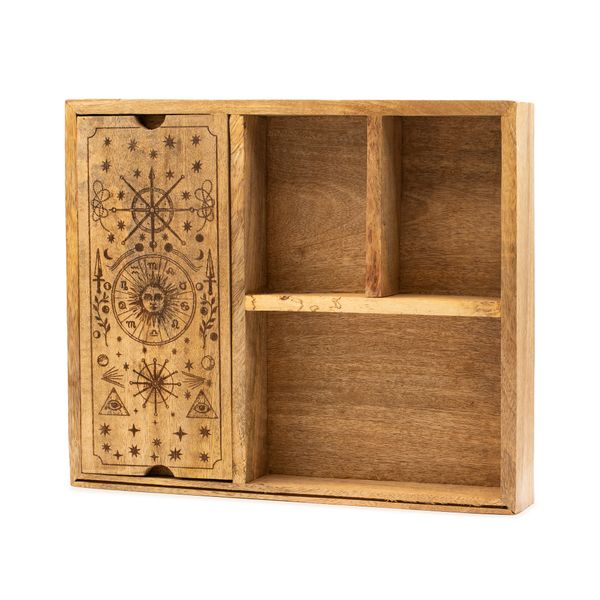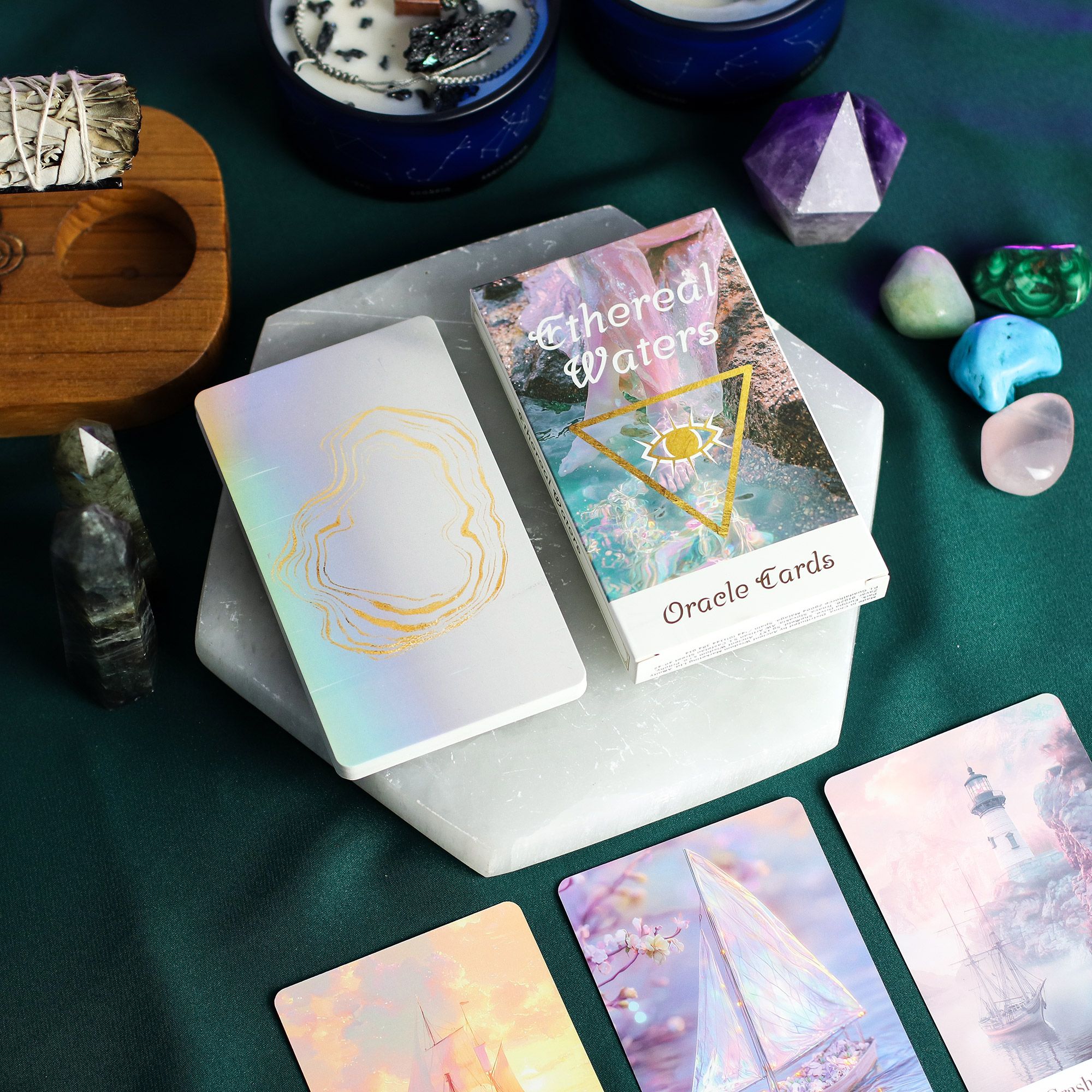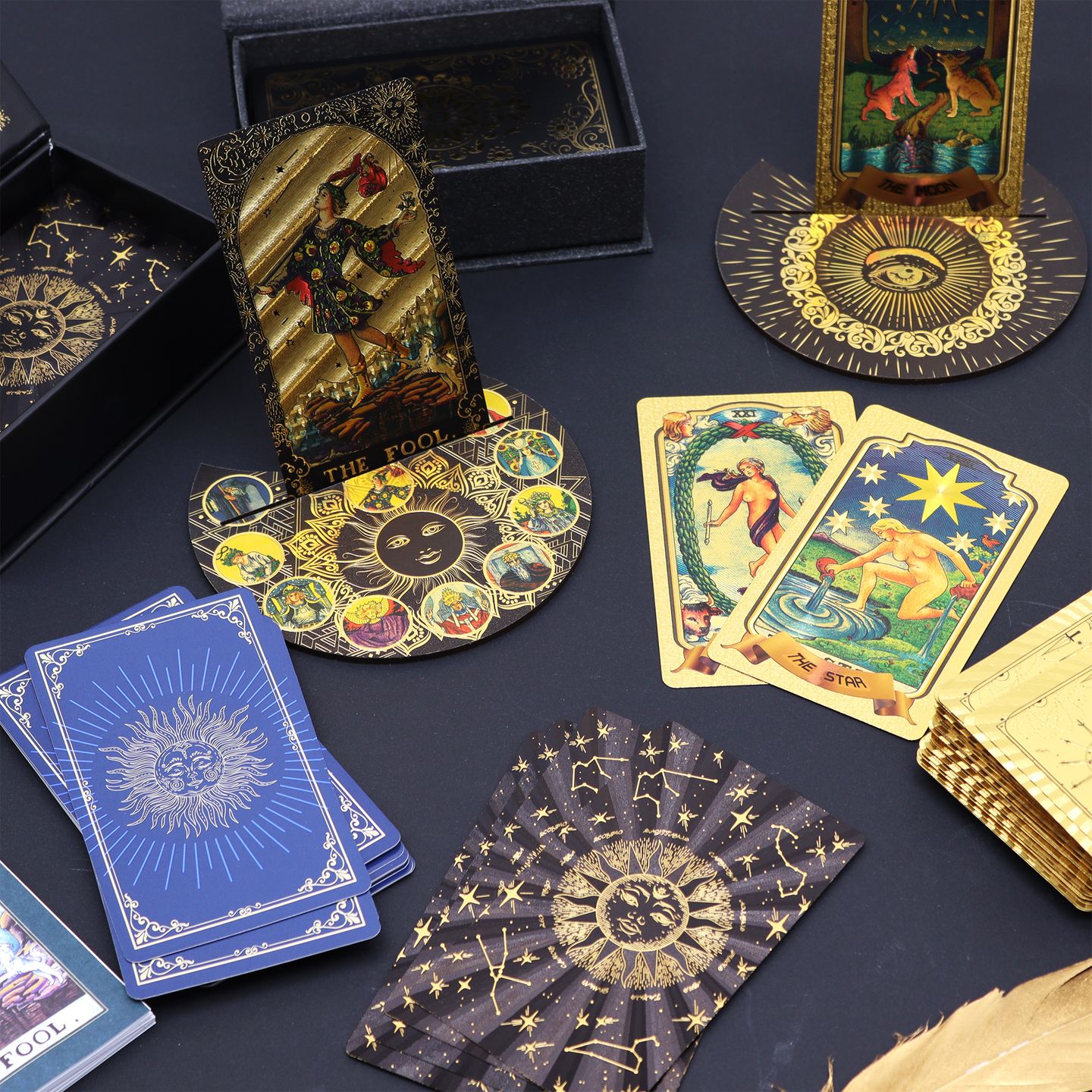
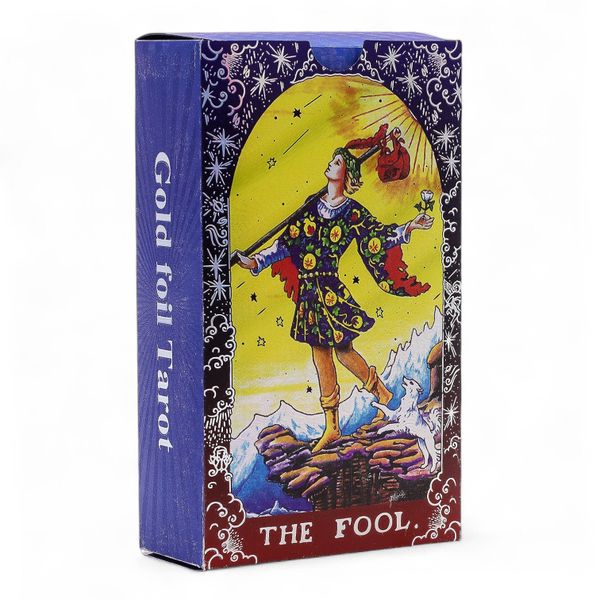
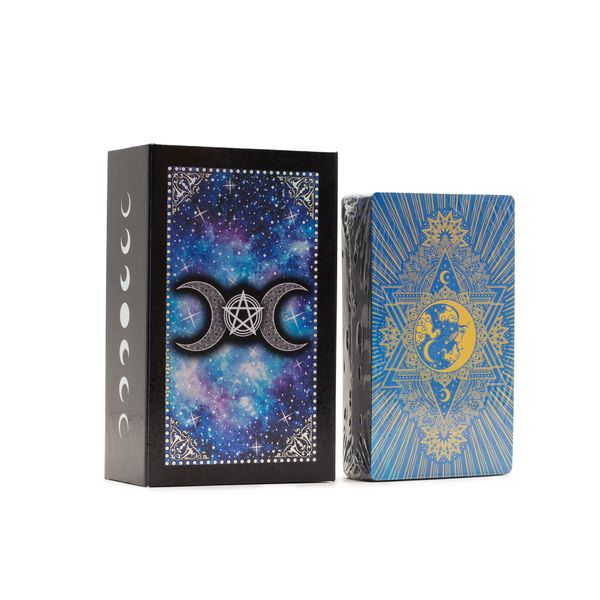
High impact, little space – A compact wholesale range with enough colour, symbolism and gift presence to build a destination display without swallowing the shop.
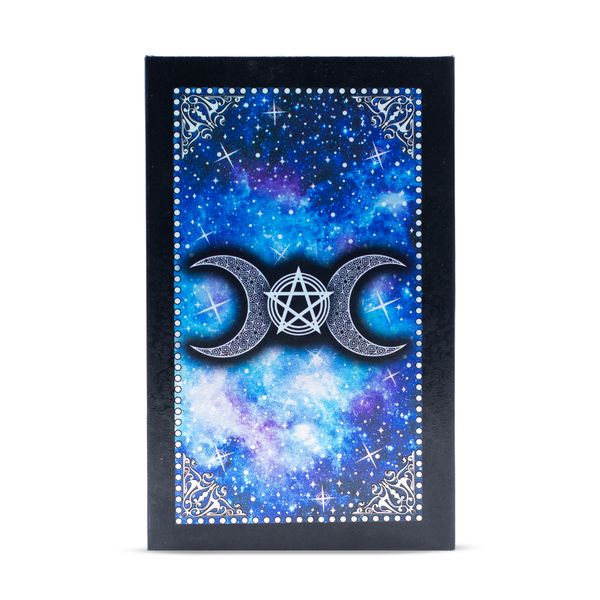
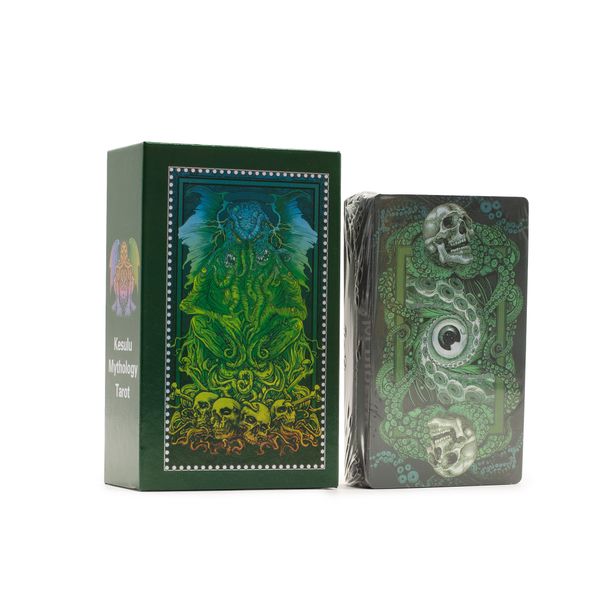
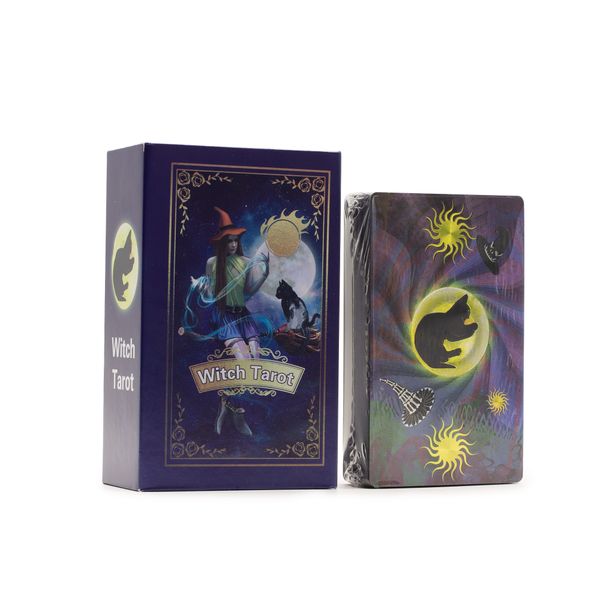
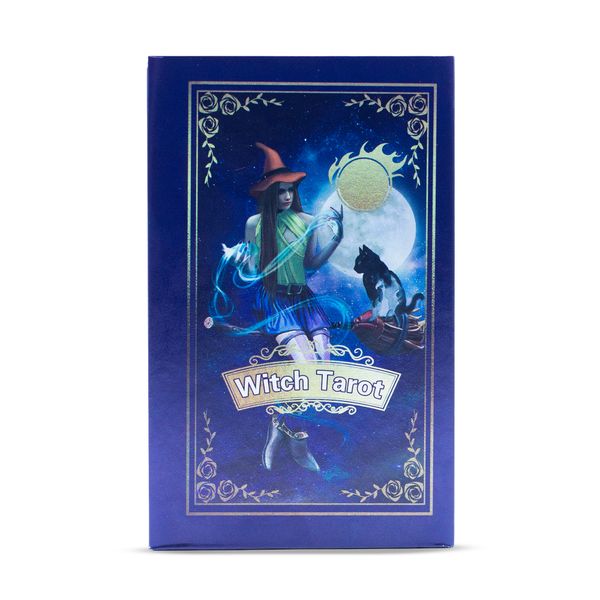
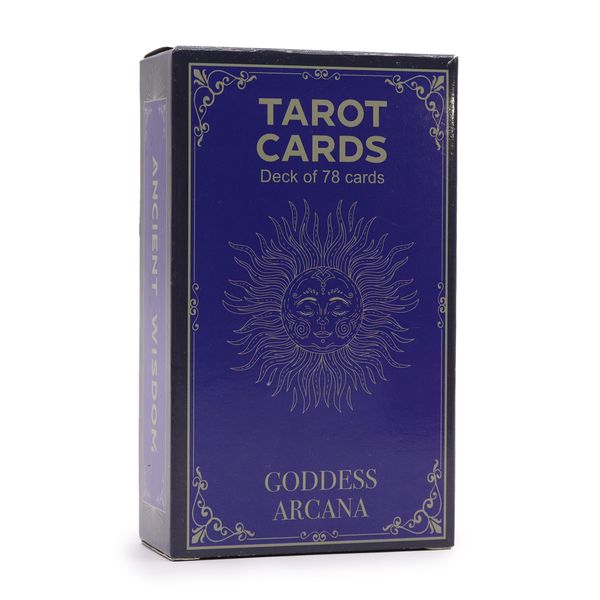
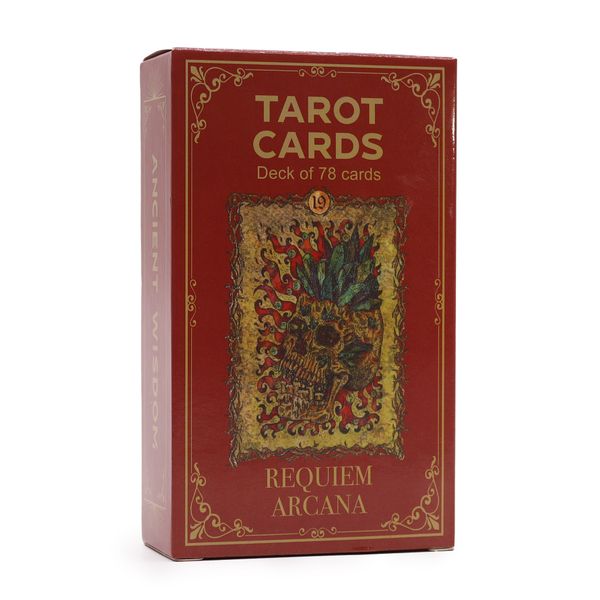
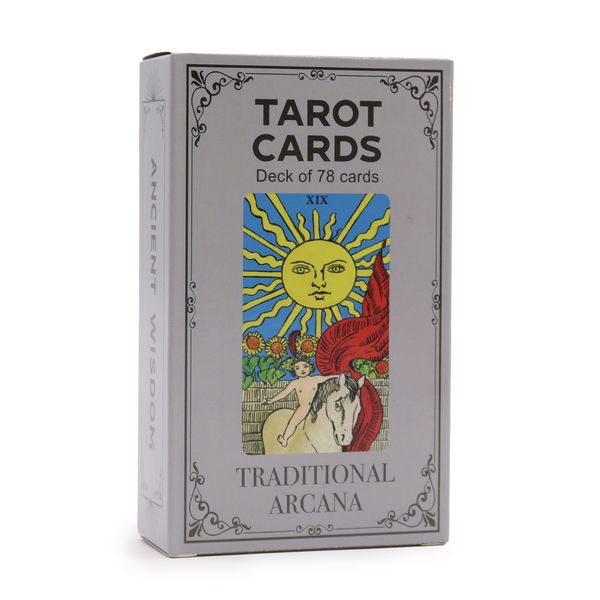
Clear choices for customers – Traditional, celestial, goddess, gothic and witch-inspired artwork helps retailers guide beginners, established readers, collectors and gift buyers towards the right deck.
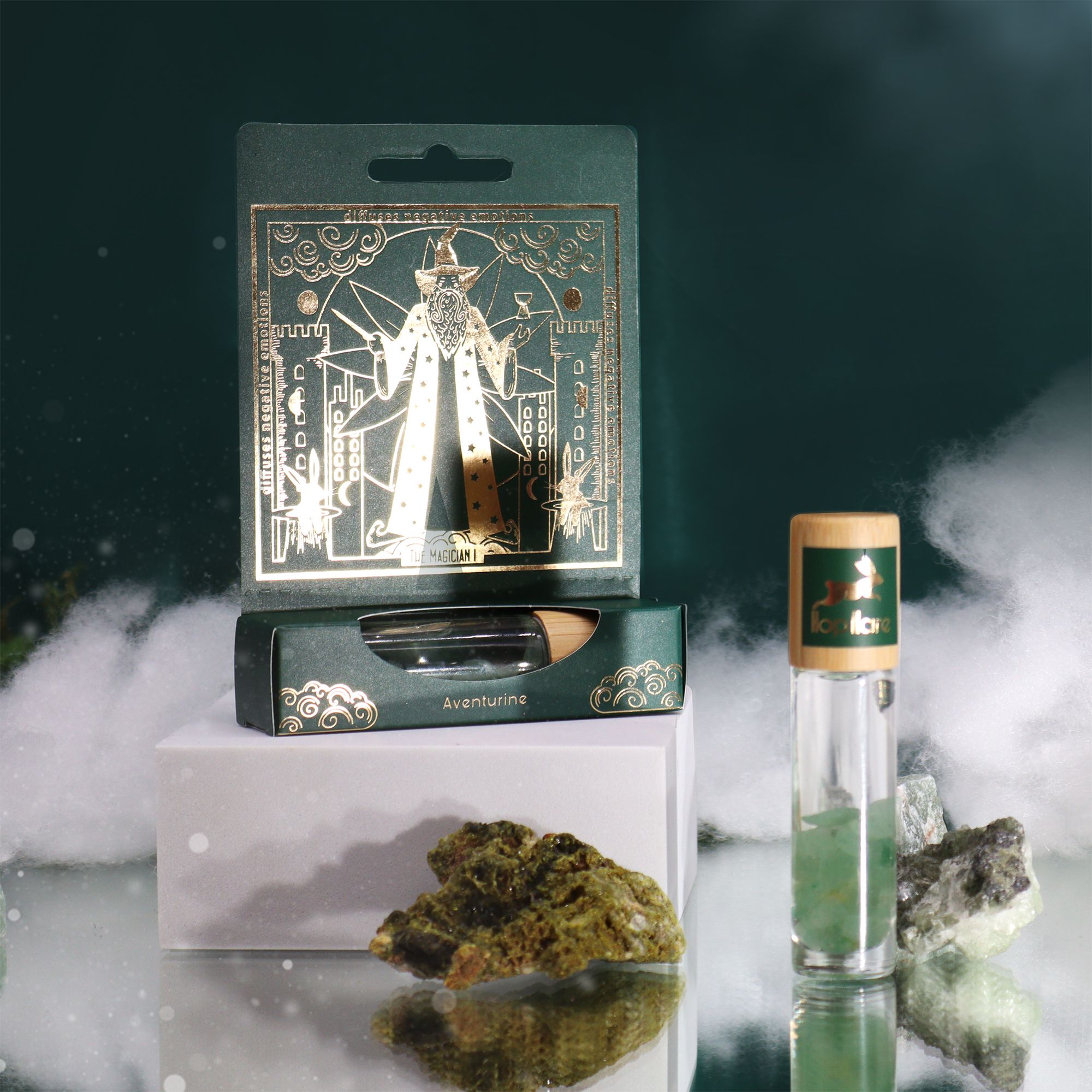
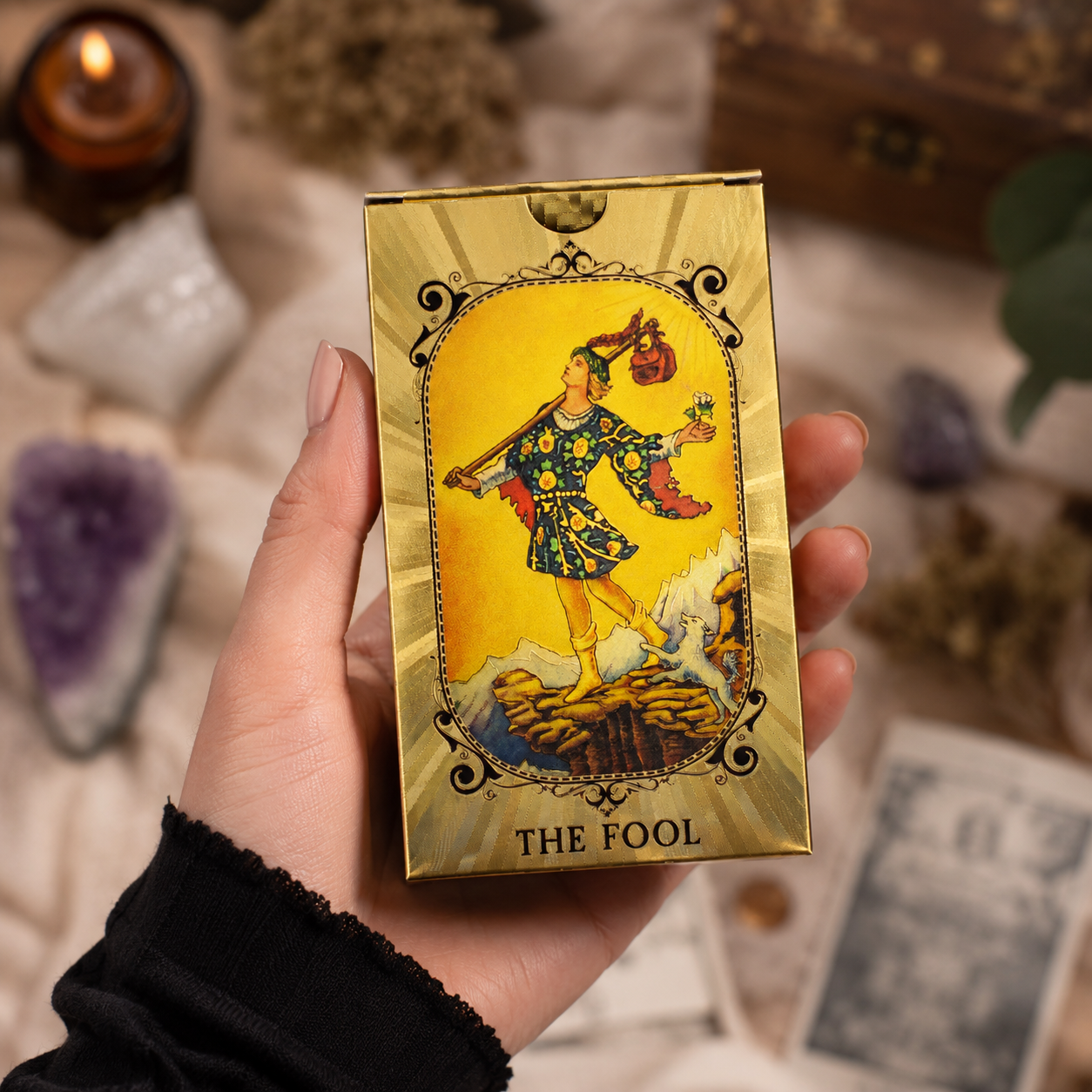
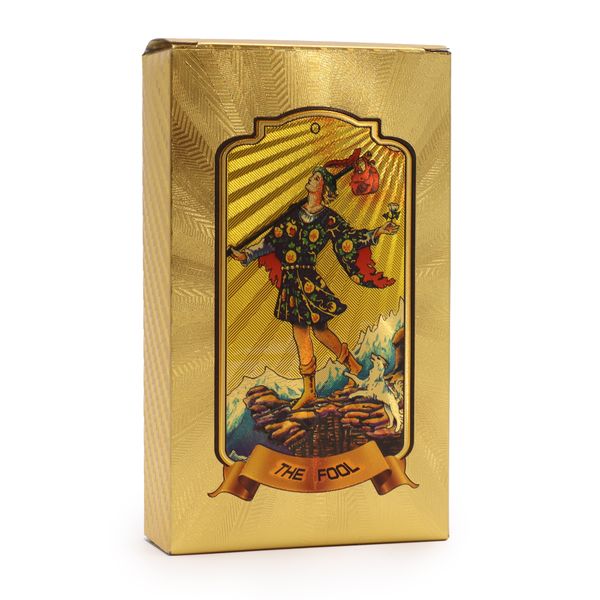
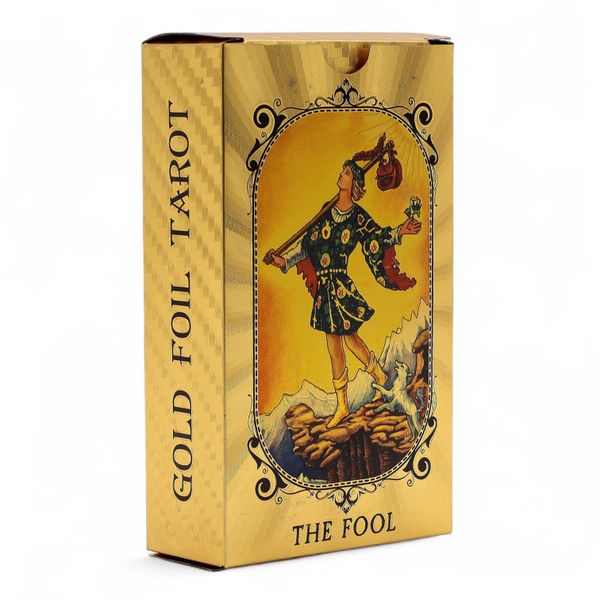
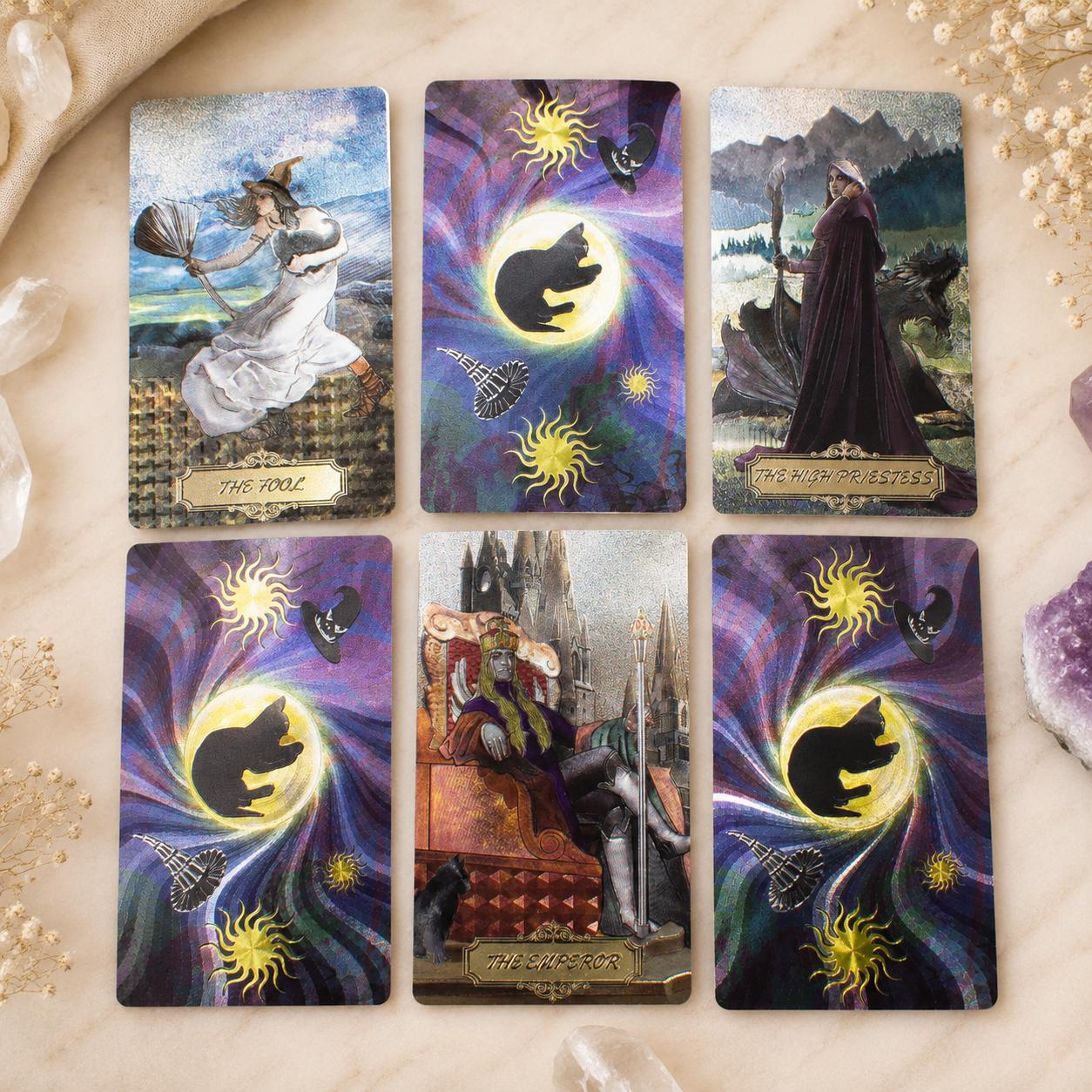
Foil earns the glance – Gold, silver, rose-gold and coloured finishes catch the light on shelf and give online photography and short videos real movement.
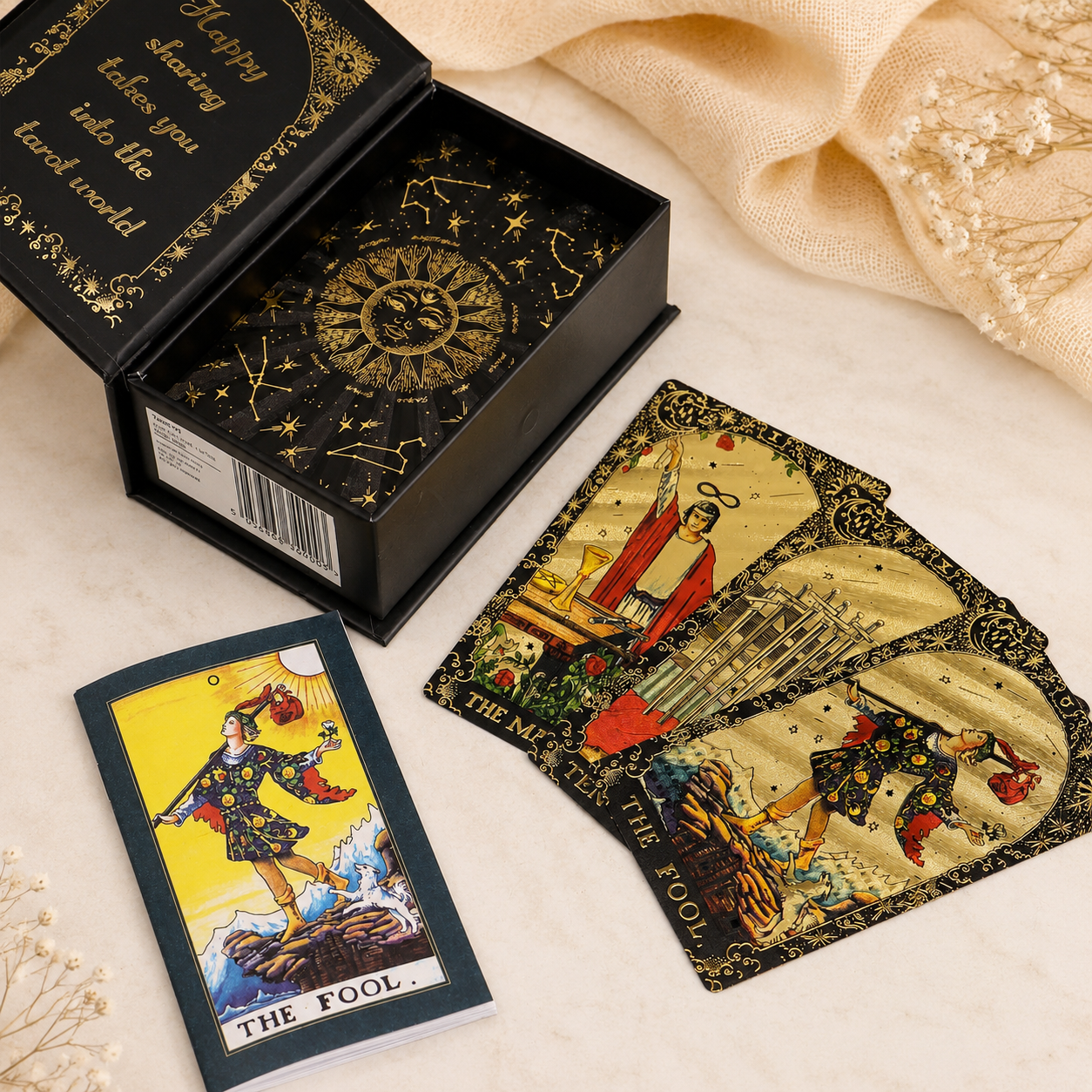
Beginner-friendly options – Sets with booklets or fuller guidebooks remove much of the uncertainty for customers buying their first tarot deck.
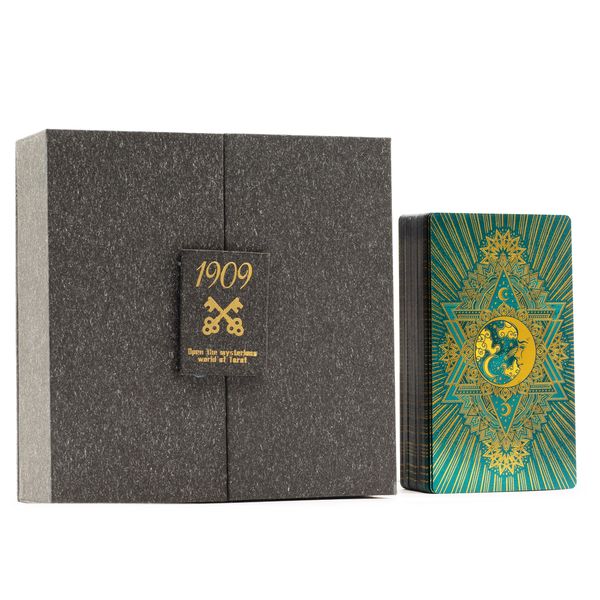
A useful gift ladder – Straightforward decks, illustrated sets and substantial gift-boxed presentations make it easy to offer different levels of gifting without leaving the family.
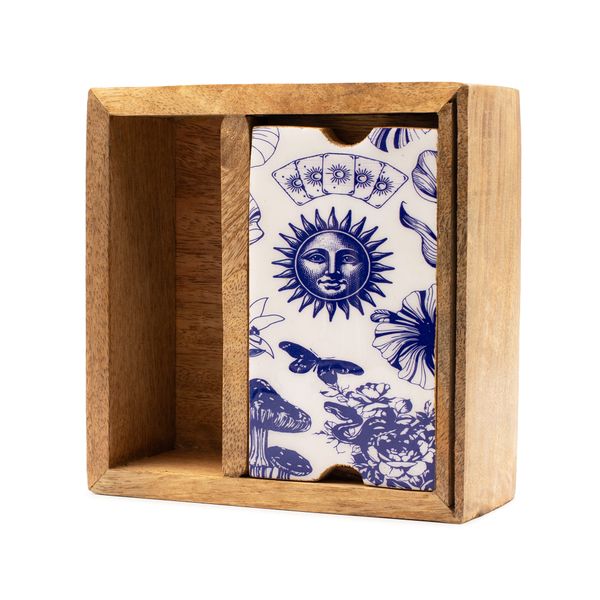
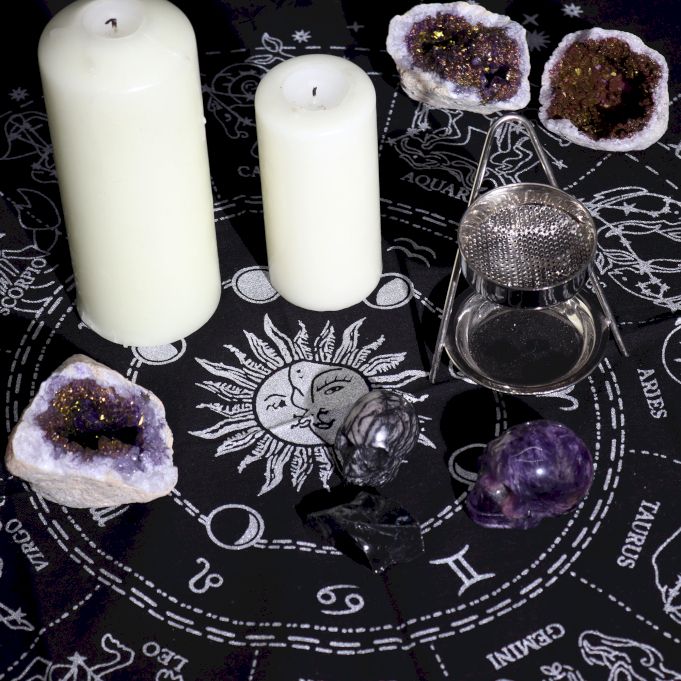
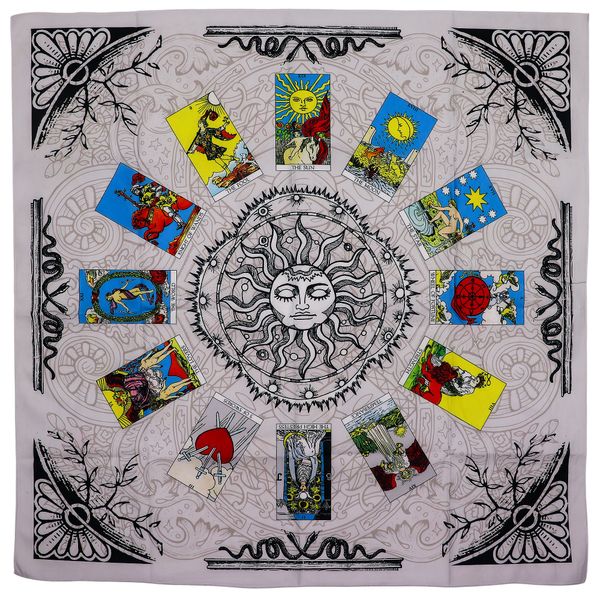
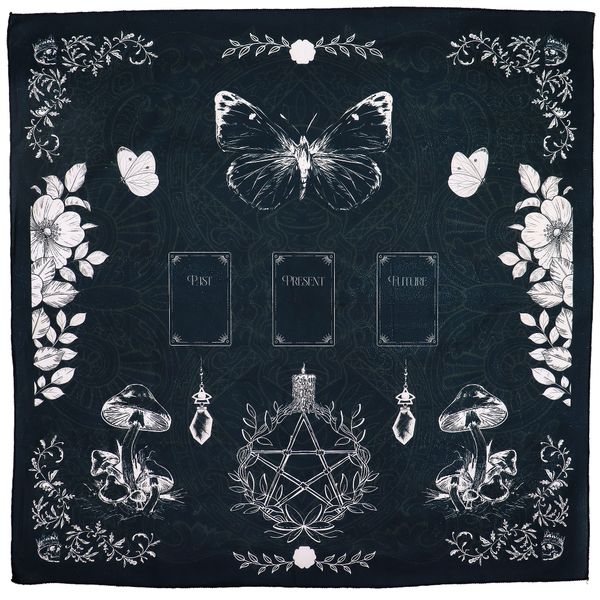
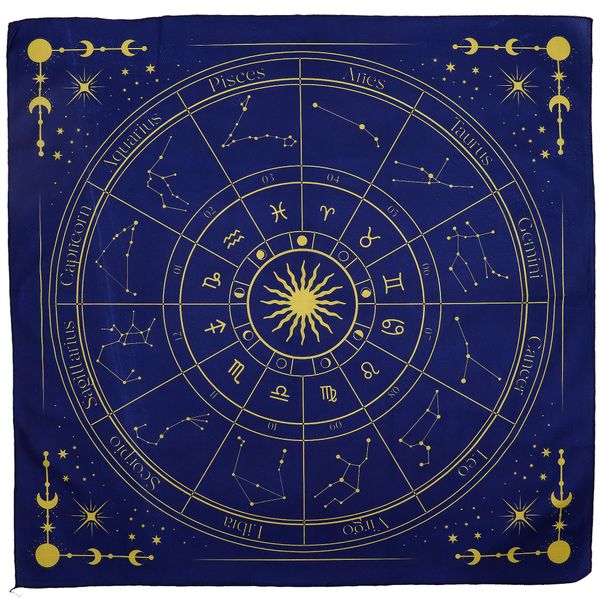
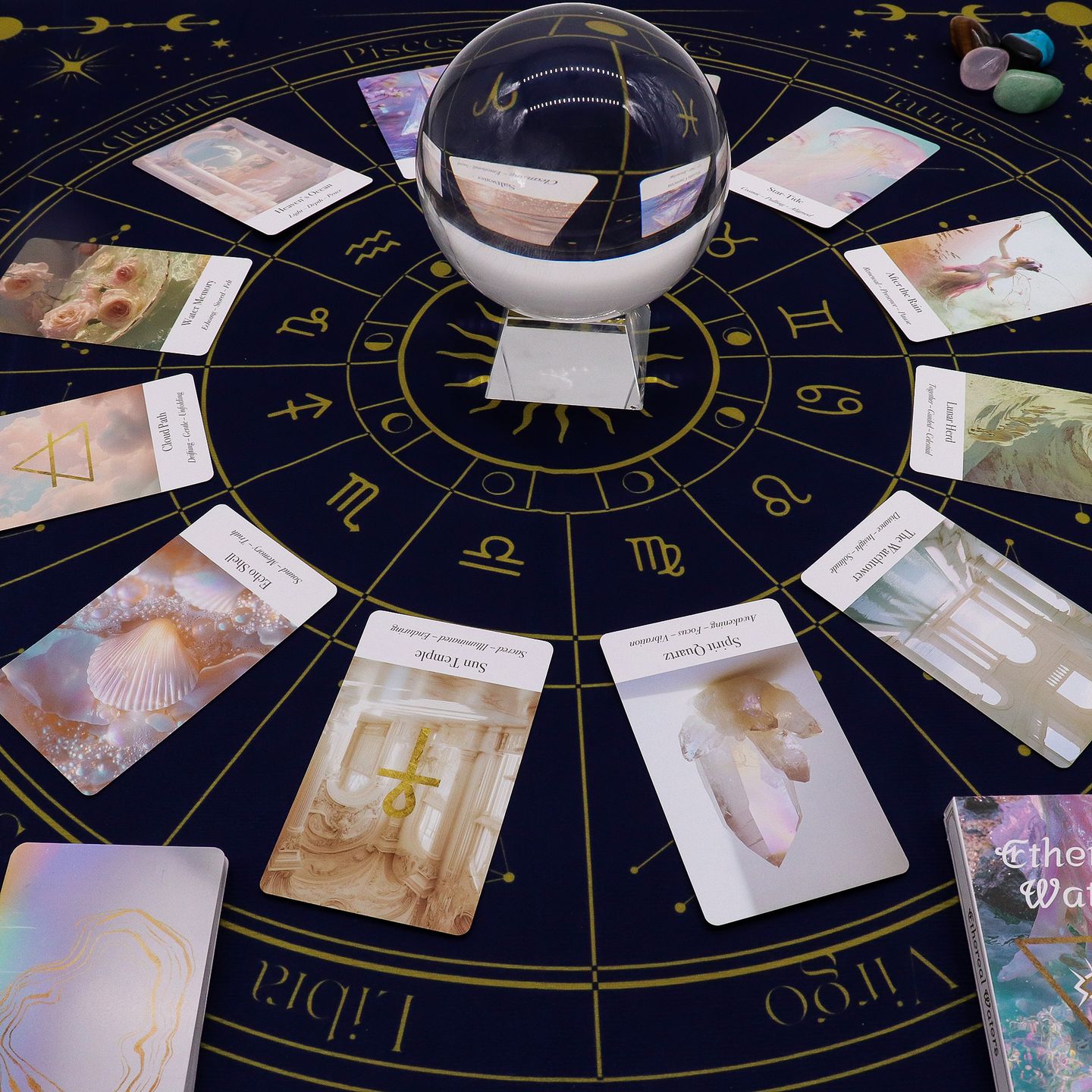
Add-ons that make sense – Reading cloths and purpose-made tarot boxes extend the display while solving genuine questions about laying out, protecting and storing the cards.
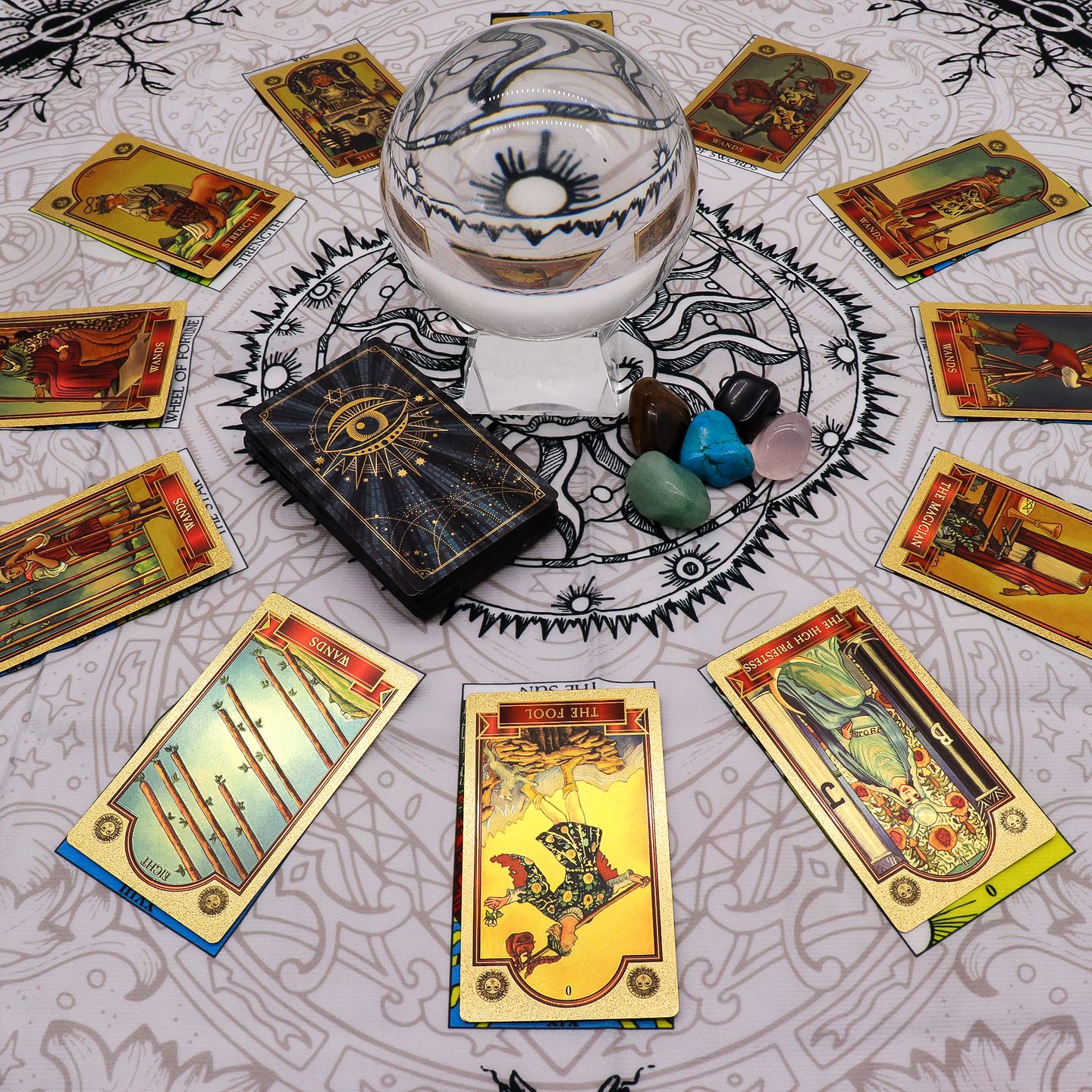
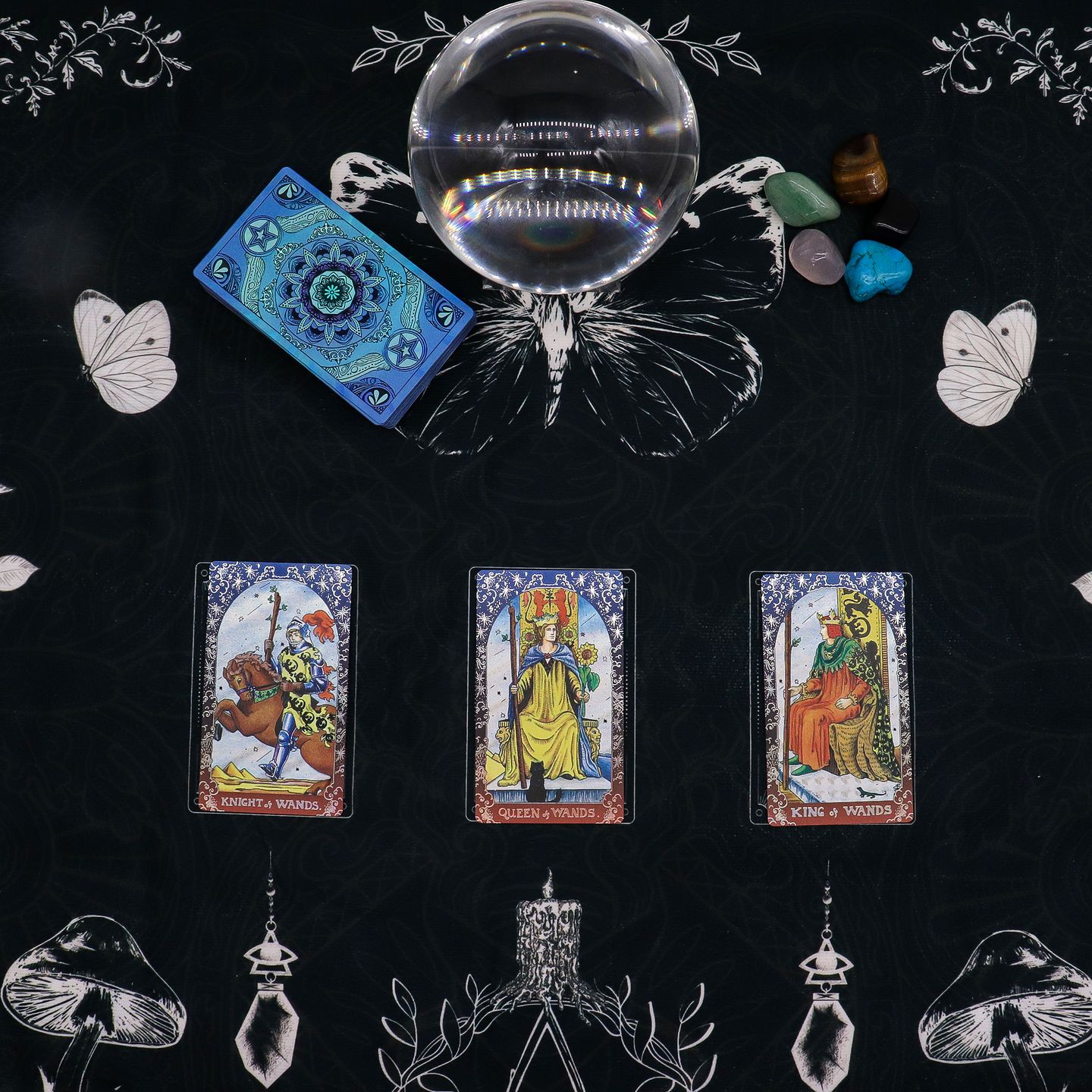
Easy to demonstrate – One open sample arranged as a simple three-card spread shows how the deck and reading cloth work together and gives staff a natural conversation starter.

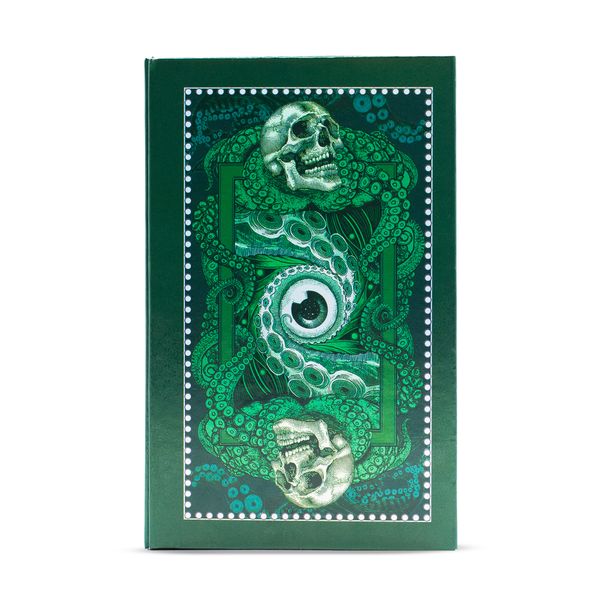
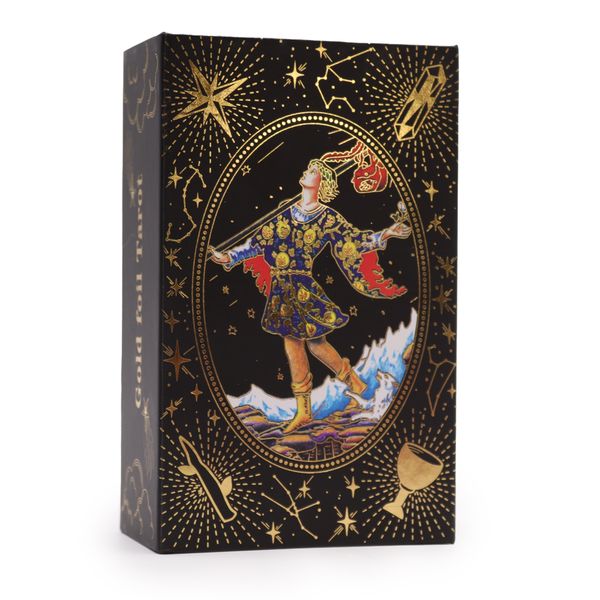

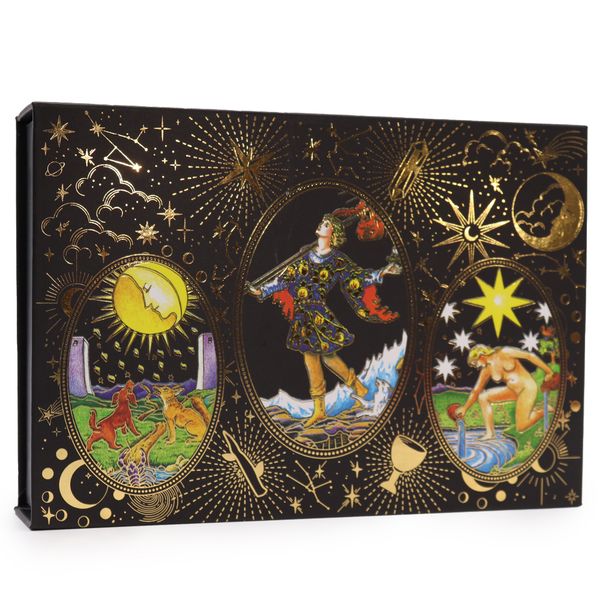

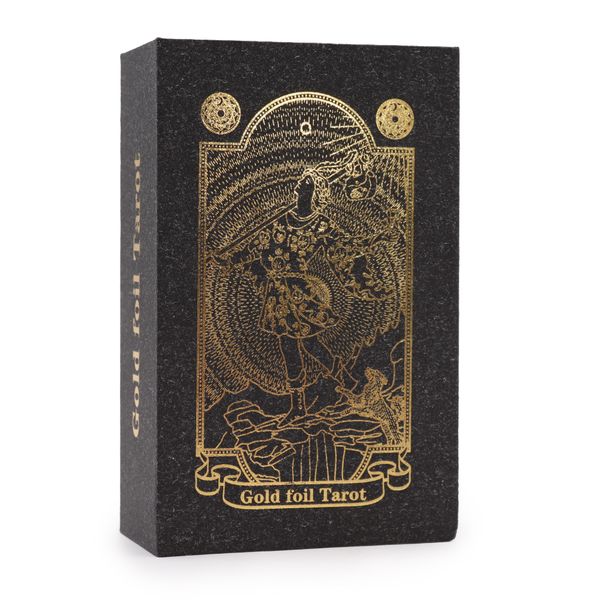













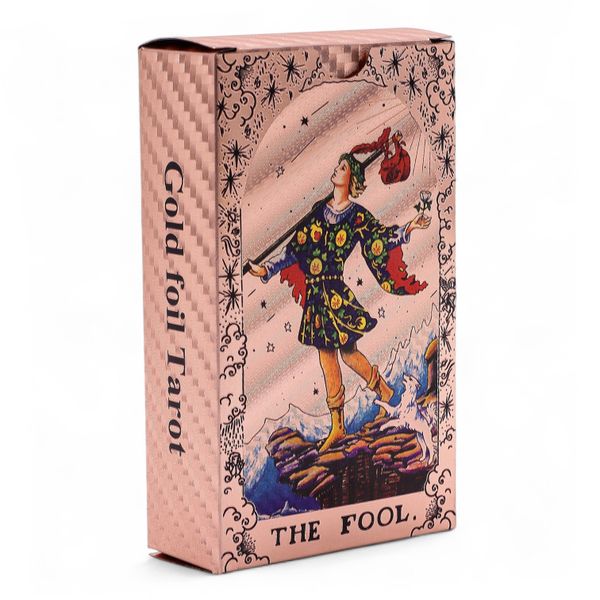


Tarot’s First Trick Was a Card Game
Tarot has a better origin story than many customers expect. The earliest references come from northern Italy in the 1440s and 1450s, where the cards were used for a courtly trick-taking game. The association with occult secrets and divination arrived centuries later.
That little historical twist makes an excellent shop-counter conversation. A customer does not need to arrive as a committed mystic to be intrigued by the art, history and curious cast of characters contained in a tarot deck.
A Whole Cast in 78 Cards
A traditional tarot deck contains 22 Major Arcana and 56 Minor Arcana. The Major Arcana brings together archetypal figures and dramatic moments such as The Fool, The Empress, The Sun and The Tower; the Minor Arcana is organised into the familiar suits of Cups, Swords, Wands and Pentacles.
For retail staff, this is also the simplest way to explain the difference between tarot and oracle cards. Tarot follows a recognisable structure, while an oracle deck can have its own number of cards, themes and reading system.
Remember Pamela Colman Smith
Many customers recognise classic tarot imagery without knowing the artist behind it. Pamela Colman Smith created the pictures for the enormously influential Rider–Waite–Smith deck, first published in 1909. Her fully illustrated Minor Arcana turned the smaller cards into scenes that could be interpreted visually rather than simply counted by suit.
Her work still echoes through modern tarot. Some decks stay close to that familiar visual language; others recast it through celestial, gothic, goddess or witch-inspired artwork. Her name is a useful detail for staff to remember when presenting traditional or Waite-inspired designs.
Choosing With the Eyes and Hands
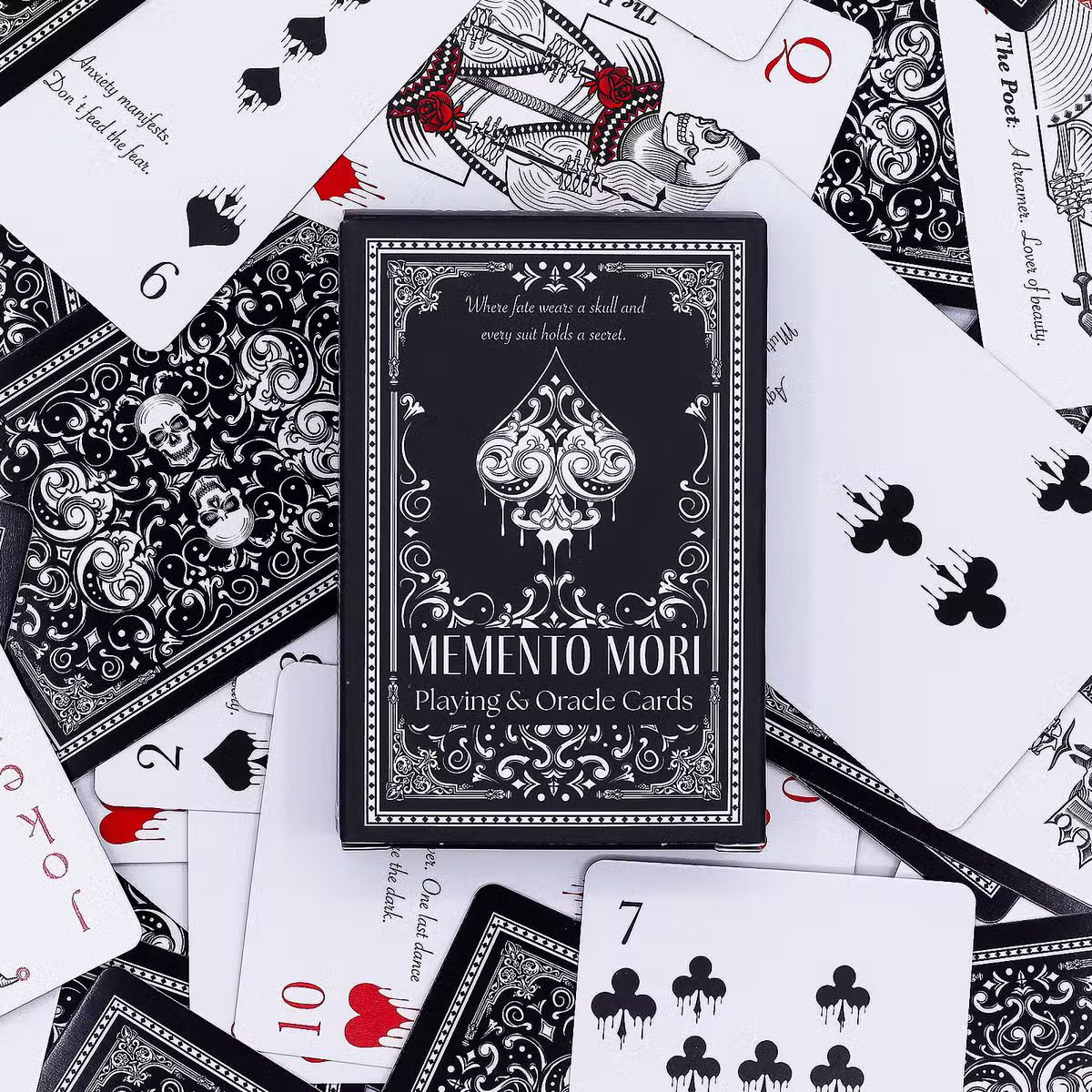
Artwork is not merely decoration on a tarot deck; for many readers it becomes part of the way the cards communicate. One customer may want clear, traditional symbolism for learning, while another responds to darker artwork, brilliant colour or a light-catching foil finish.
The range also includes different materials and presentations, so paper decks, foil-finished PET cards and boxed sets should not all be described as though they feel the same.
A useful selling question is: “Is this for learning, regular reading, the artwork or a gift?” It quickly turns a wall of mysterious boxes into a manageable choice.
Selling, Display & Marketing Ideas
Create three clear zones – Group the display as “Classic & Learning”, “Foil & Gift” and “Themed & Alternative” so customers can navigate it without knowing every deck name.
Open one working deck – Lay out three cards on a reading cloth and keep sale stock sealed upright behind it. A simple past–present–future arrangement shows what the product actually does.
Make the foil move – Angle foil decks towards a side light, or film a short hand-held tilt rather than photographing them flat; the changing reflection is the selling feature.
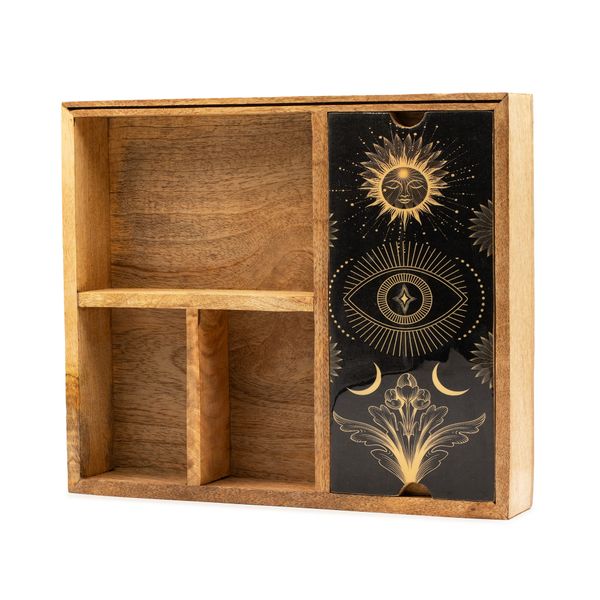
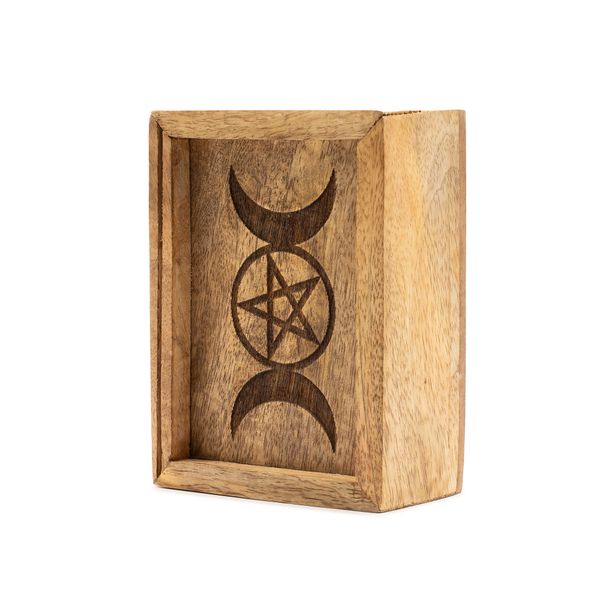
Sell storage first – Place tarot boxes and card holders directly beside the decks, followed by reading cloths and journals. A box answers an obvious practical need and makes a natural gift upgrade.
Build a ready-to-read gift – Present a deck, reading cloth and storage box together as a complete idea while keeping every item available separately.
Give staff one opening question – “Beginner, reader or collector?” is usually enough to start the right conversation without attempting a reading at the till.
Sells Well With