
Greetings from Kathmandu…
I’m writing this morning from a city—and a country—still in a state of shock.
On Wednesday, a massive collapse high in the Himalayas sent an unimaginable wall of ice, water, rock and debris crashing down through the valleys below. The images are terrifying, and as rescue teams continue their work, the true scale of the tragedy is still becoming clear.
Here in Kathmandu, you can feel it. Almost everyone seems to know somebody who has been affected, or knows somebody still waiting for news. Our thoughts are very much with the families who have lost loved ones—and with all those still searching and hoping.
It feels strange to carry on writing about business and singing bowls after something like this. But perhaps the best thing we can do is continue supporting the people, families and small workshops whose livelihoods depend on the work that goes on here. Last week, I was telling you about meeting the wonderful singing bowl family in Kathmandu. If you missed it, you can catch up here…
This week, on Wednesday morning (before the terrible news), we went to see where the bowls are actually made. Up bright and early, Bicky and I took a taxi to a meeting point on the edge of Kathmandu, where the boss, Mr Suman, picked us up. He explained that making singing bowls is a very noisy business—and the workshops are no longer allowed in built-up areas. Once I had seen the process, I completely understood why!
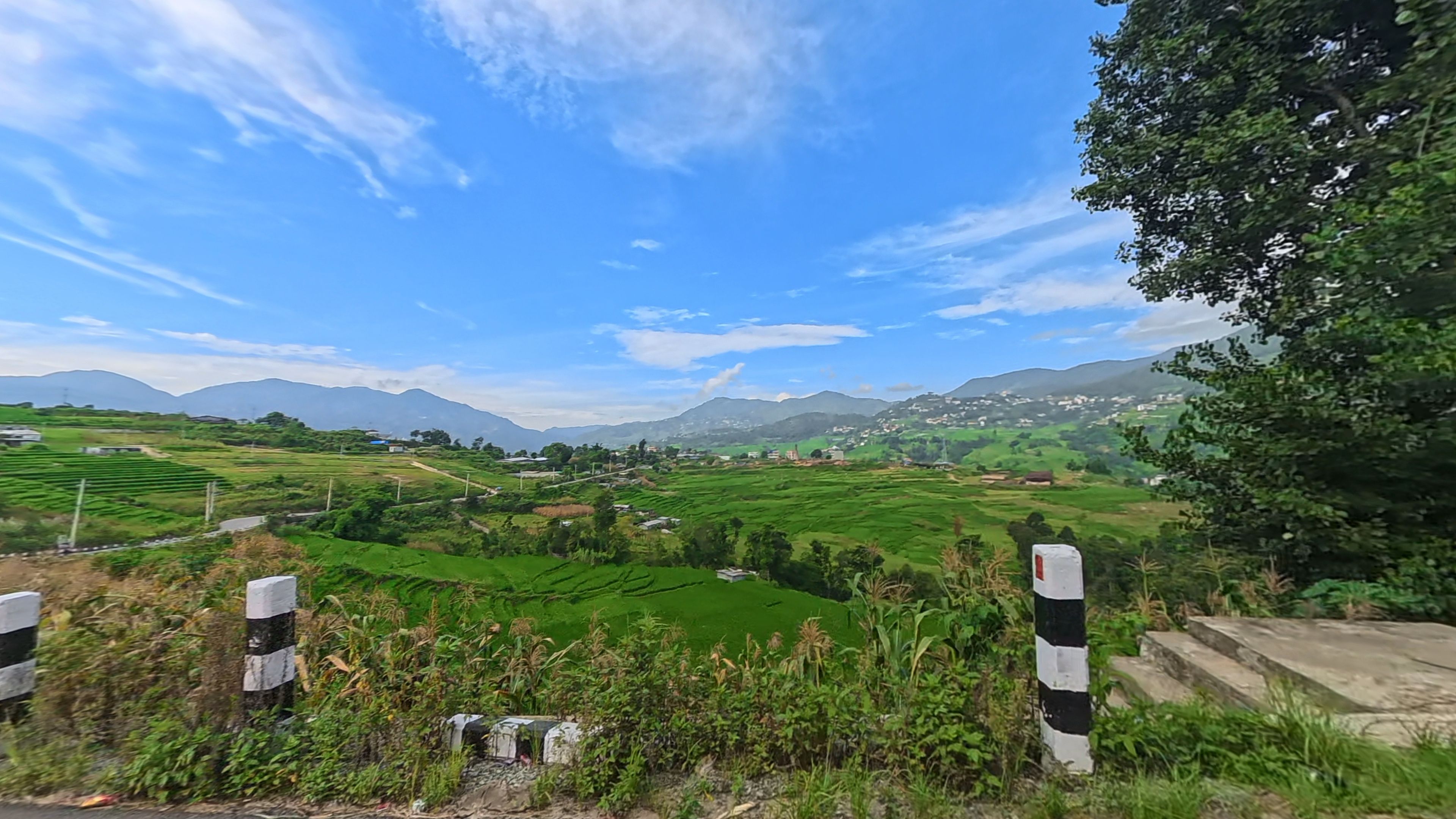
We drove out beyond the city, past a place called Bungamati and into a stunning green valley. After the noise and chaos of Kathmandu, it was about as peaceful a place as you could imagine.
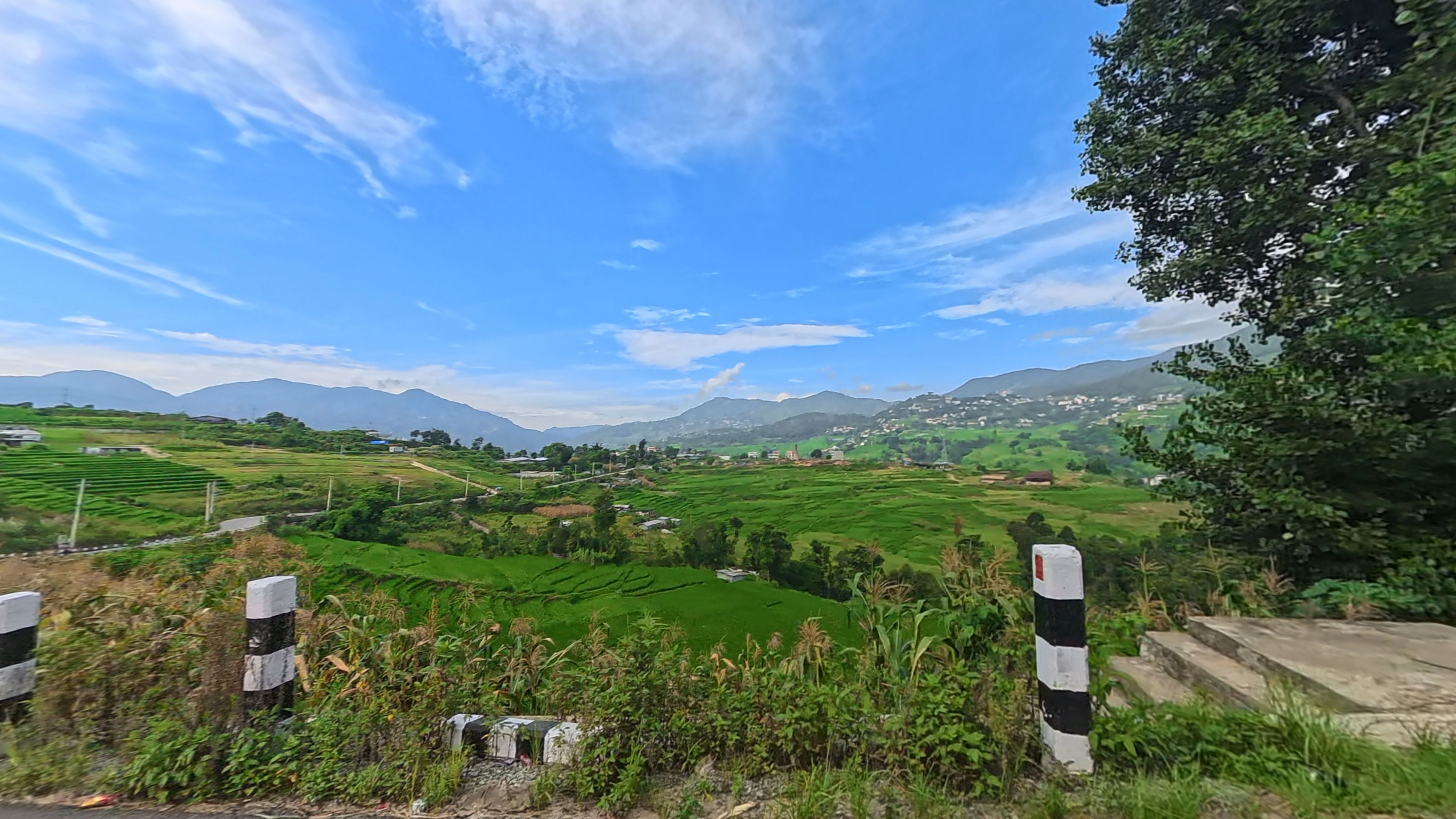 Tucked away there was Mr Suman’s small factory. The bowls begin life as simple discs of metal. Mr Suman explained that five different metals are first smelted together at another workshop, then rolled into sheets and cut into discs of exactly the right size.
Three discs at a time are heated in a fan-blasted fire in the corner of the workshop. Carved into the chimney above it is the shape of a Shiva dagger—apparently an important part of the tradition and protection of the work.
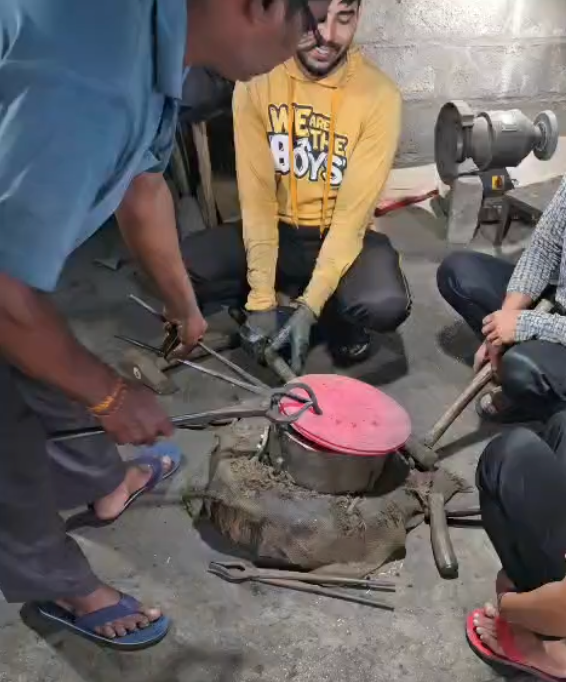
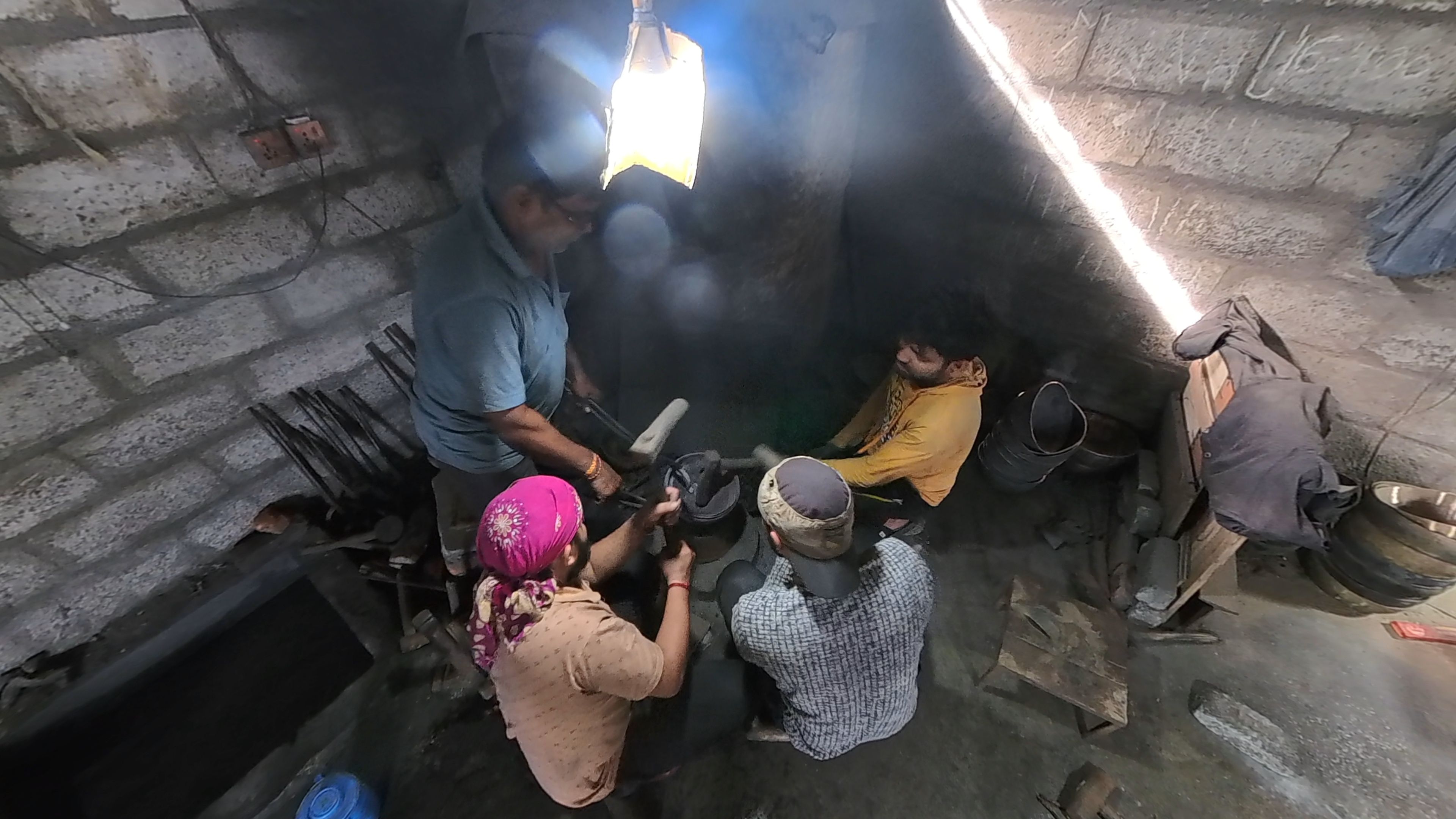 The discs must be heated to exactly the right temperature. Too cool and the metal will not move properly. Too hot and it can split.
When the fire master decides the moment is right, he pulls out the glowing discs with long pincers, stacks them together and skilfully positions them over a metal die. Then three men step forward with enormous hammers… Bang! Bang! Bang!
All three strike in perfect rhythm, turning slightly around the metal as they work. Slowly, a bowl begins to take shape.
It was astonishing to watch—and slightly terrifying. One split-second slip could bring the hammers crashing into each other, sending hot metal spinning across the workshop. Yet they work incredibly quickly because they have only a few precious minutes while the metal remains at exactly the right temperature.
The partly formed bowl goes back into the fire two or three times, then returns to the hammers until the final shape is achieved.
After that comes grinding, tuning and fine adjustment. Finally, the bowl moves into a separate room for polishing and buffing until the dull, hammered metal begins to shine.
Every stage takes experience. The size and shape of the bowl matter, but so does the thickness of the metal, the hammering and the final tuning. A beautiful bowl is not simply manufactured—it is listened to, adjusted and gradually brought to life.
Then Mr Suman told me something that I thought was rather wonderful: The men working with the fire and hammers are traditionally Hindu. The polishing and finishing men are Muslim. Mr Suman, his family and many of his customers are Buddhist.
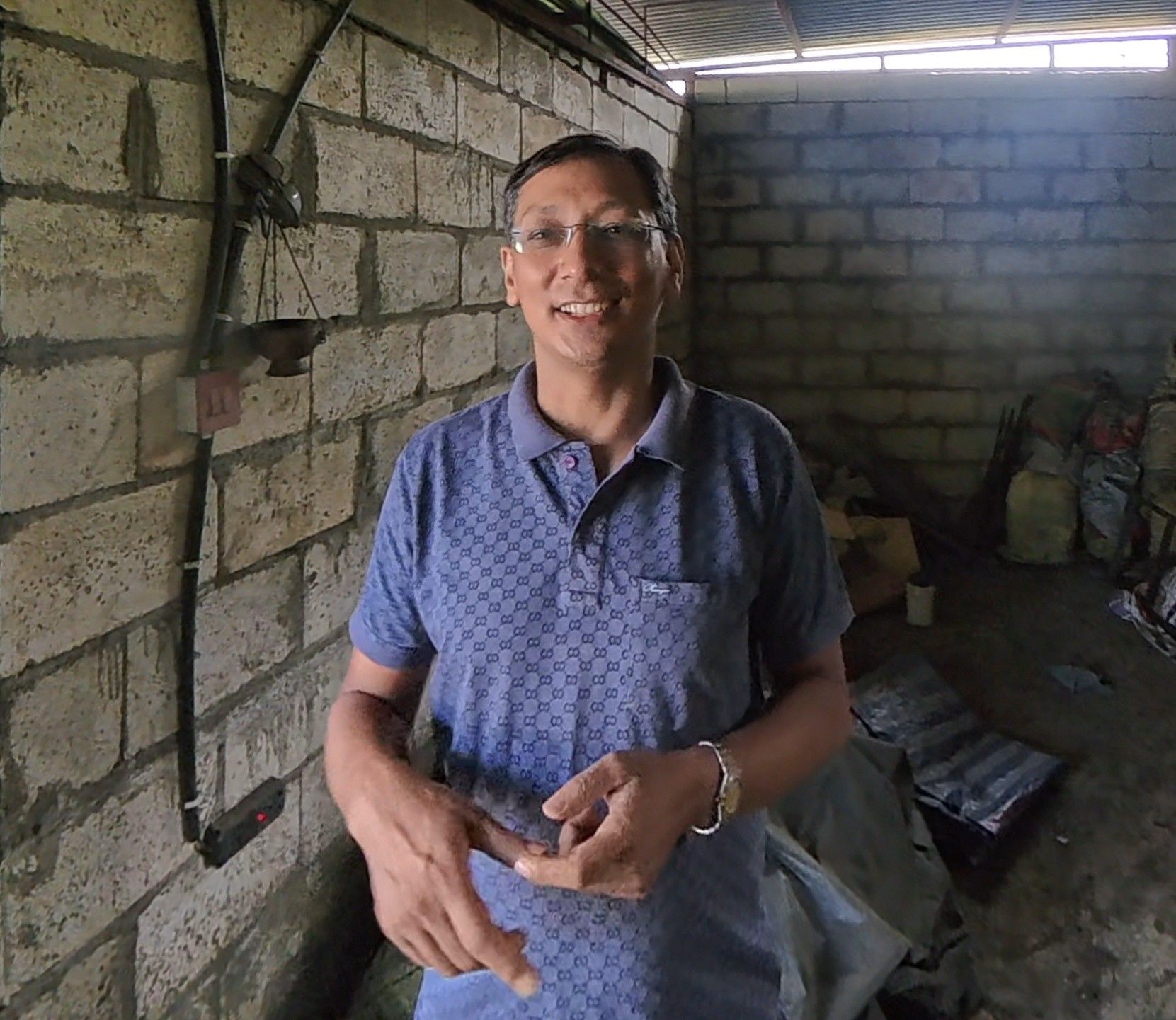 Mr Suman
“We all get on fine,” he said. “We are good friends.”
And there it was—Hindu, Muslim and Buddhist, all working together to create something whose purpose is peace, healing and harmony.
In a week when Nepal has witnessed such terrible destruction, that small workshop in a peaceful valley felt like a reminder of something important. Different hands, different faiths and different skills—all working in rhythm to make one beautiful sound.
Bang! Bang! Bang!
Perhaps the world could learn something from Mr Suman’s singing bowl factory.
There is some other important news from Nepal…
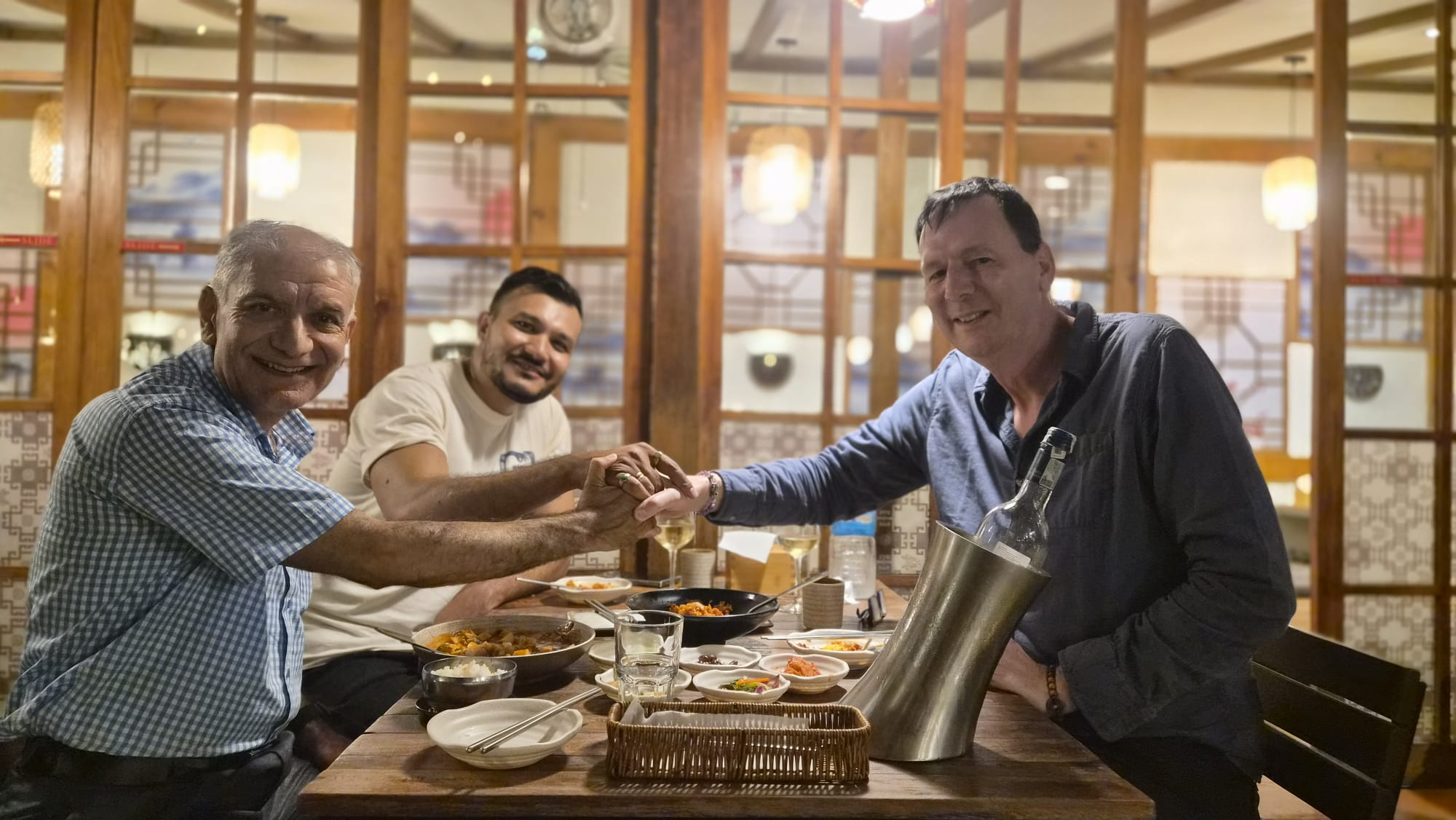
We have now taken a major step forward and on Tuesday 25th August we officially appointed Bicky—our long-standing Lokta paper supplier—as Ancient Wisdom’s sourcing and coordinating agent in Nepal.
Bicky will work closely with our trusted shipping agent, Mr Padam of Oriental Cargo Services, to help us coordinate suppliers, improve quality control and make our Nepal shipments faster, smoother and more reliable. The compliance requirements for importing products into the UK and Europe are becoming more challenging every year. Product information, materials, testing, packaging and documentation all need to be checked and organised properly. Bicky will help us manage this at source, before the goods leave Nepal.
It means we can work with more small producers, develop more original products and—most importantly—make sure everything reaches our warehouses in the condition and at the standard our customers expect.
Naturally, such an important appointment had to be celebrated properly, so Bicky, Mr Padam and I went out for dinner at a Korean restaurant in Kathmandu. Korean food… celebrating a new Nepal chapter… for a British giftware company. Very AW, really.
 This has been one of the busiest weeks of the whole trip. Workshops, singing bowls, Lokta paper, textiles, packaging, product development and seemingly endless cups of tea. There are some genuinely exciting plans beginning to take shape here—although I think I may need a few quiet hours simply to make sense of them all.
Soon, it will be time for me to move on.
Nepal has given me far more than new products and business ideas. It has reminded me that behind everything we buy and sell, there are people—families, friendships, traditions and skills handed down over generations.
This week, it has also reminded us how suddenly life can change.
So, from Kathmandu, our heartfelt thoughts remain with everyone affected by this terrible disaster. And our respect goes to the rescuers, volunteers and ordinary people helping one another through the darkest of days.
Next Friday, I’ll be writing from somewhere new…
But I’ll be taking a little of Nepal with me—and perhaps, somewhere in the background, I’ll still be hearing those three hammers falling perfectly together.
Bang. Bang. Bang.
Stay safe, look after each other—and have a good weekend.
David