FAIRLY TRADING WHOLESALE GIFTS SINCE 1995

logo
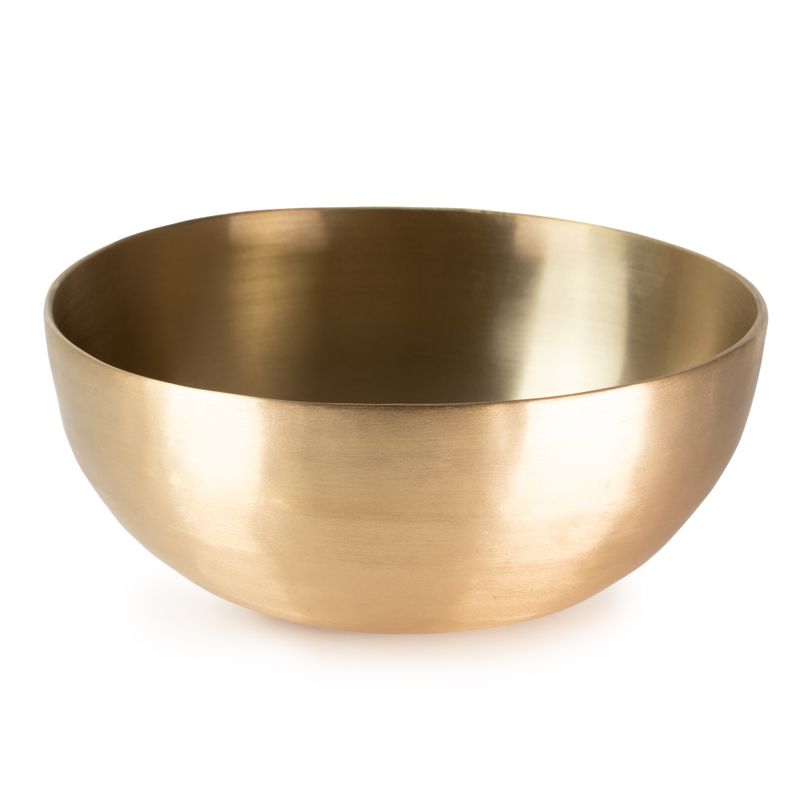
Large Chaken Handmade Singing Bowl (approx 800g) - 17cm

Large Chaken Handmade Singing Bowl (approx 800g) - 17cm

Product code: Tib-130
Login or Register for Wholesale Prices
Product Specification
Net Weight
800 g/bowl
Shipping Weight
958 g
Dimensions
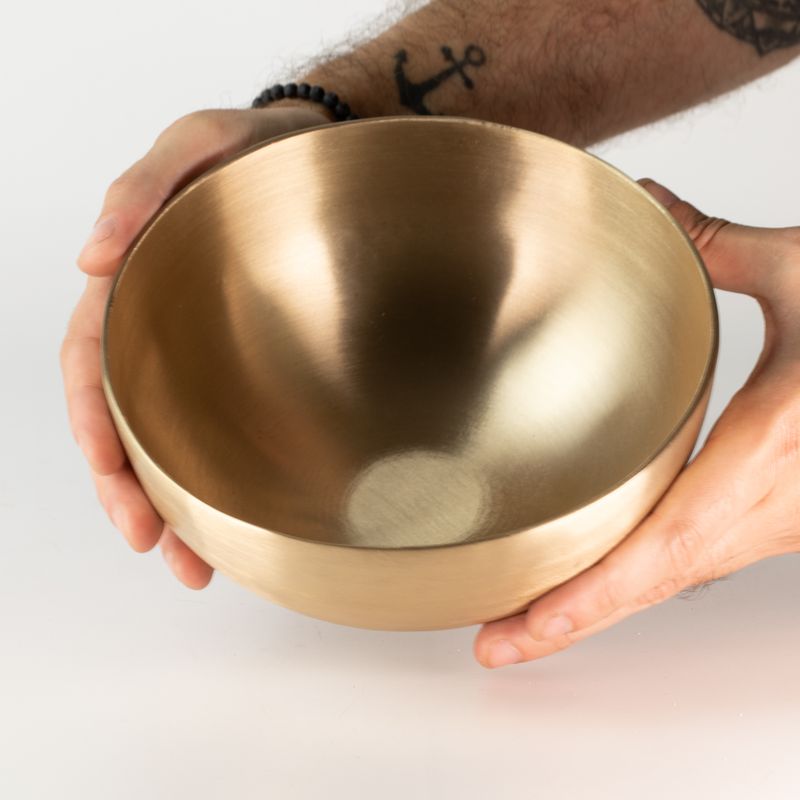
17x6 (cm)
Materials/Ingredients
copper, Tin
Barcode
5056368351433
Origin Country
IndiaIndia

Striking Tone (Yin): E4 329Hz 

Singing Tone (Yang): G5b 739Hz

The Large Chaken Handmade Singing Bowl is a substantial piece with a simple golden finish and a clean, understated look. At around 17cm across and 800g, it has enough presence to appeal to customers looking for a larger bowl for meditation, yoga, sound practice or a thoughtful spiritual gift.

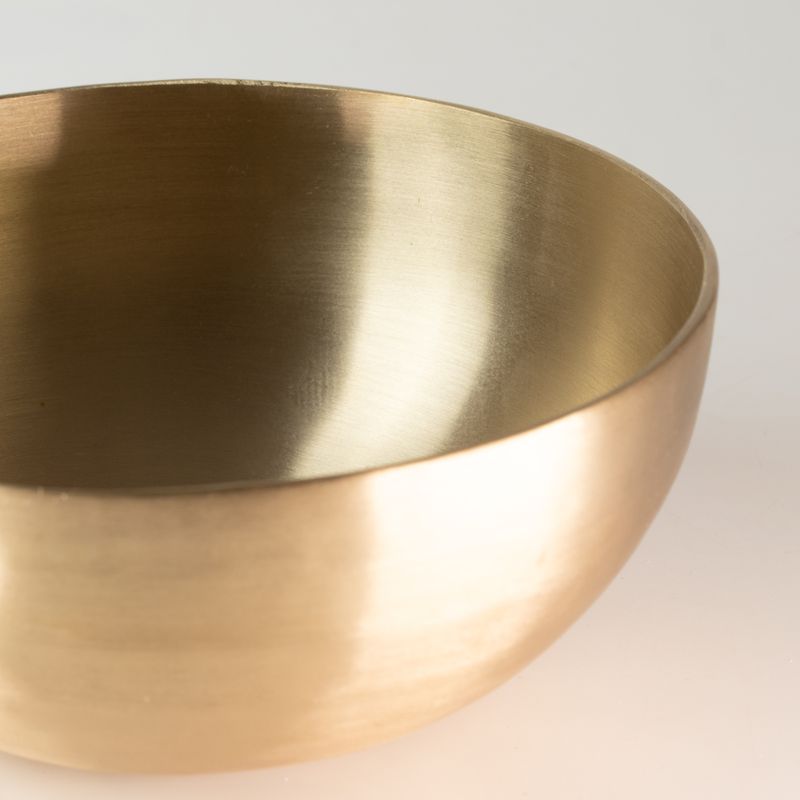
Handmade in India from copper and tin, each bowl has a natural hammered texture and its own small variations in finish, size and weight. That is part of the appeal with handmade singing bowls – no two are quite identical.

The bowl can be struck or played around the rim, making it suitable for meditation, yoga, sound practice or simply for customers who enjoy the character of a well-made metal bowl. Its striking tone is approximately E4 at 329Hz, with a singing tone around G♭5 at 739Hz.

For retailers, this is a strong step-up piece for customers looking beyond smaller starter bowls. Display it with suitable strikers and cushions, and if possible let customers hear it – singing bowls tend to sell themselves rather well once they are actually singing.

What should I check when a delivery of singing bowls arrives? +

Inspect the rim, inside wall and base before putting a bowl on display. Give every loose bowl a quick sound test on a cushion or padded ring and check that any accessories listed with it are present.

Hammer marks, small differences in colour, slight asymmetry and variations in weight or tone are normal signs of handmade production. Sharp edges, a crack passing through the metal, an unsafe rocking base or a persistent buzz are different matters and should be reported before the bowl is sold.

A bowl sounds dull or buzzy. Does that mean it is faulty? +

Not necessarily. First move it away from a hard or glass shelf and place it on a suitable cushion or padded ring. Alternatively, hold it on a flat, open palm without allowing fingers or jewellery to touch the sides.

Try a different striker and make sure nearby bowls, price tags or display fittings are not vibrating along with it. If the buzz remains and the resonance dies unusually quickly, inspect the bowl carefully for a crack.

Which striker should be offered with which bowl? +

There is no single striker that brings out the best in every bowl. Plain wood generally produces a brighter, more immediate note. Suede-covered strikers are smoother around the rim, while padded or felt mallets can bring out a softer, deeper tone.

Larger bowls usually respond better to a larger or heavier striker. The best answer is wonderfully low-tech: try a few and listen. Check the Accessories for Singing Bowls below.

Do standalone singing bowls always include a striker and cushion? +

No. Boxed gift sets normally contain the essentials described in their individual listing, but loose bowls and display photographs should never be assumed to include every accessory shown.

Check the product specification before writing a retail description. Making the contents completely clear avoids disappointment when an online order arrives. Check the Accessories for Singing Bowls below.

Can every bowl be described as seven-metal, full-moon made or crafted by monks? +

No. Use the country of origin, materials and production details given for that particular product. Do not apply one supplier’s story to the whole family.

“Moon Bowl” may be the recognised name of a design or collection, but it should not automatically become a claim that the bowl was physically made beneath a full moon. In the same way, an antique-style finish does not make a newly produced bowl an antique. A romantic story is lovely; an accurate romantic story is better.

How should metal singing bowls be cleaned in the shop? +

For routine cleaning, use a clean, soft cloth and keep the bowl dry. Avoid scouring pads, abrasive cleaners and enthusiastic attacks with metal polish, especially on engraved, painted, darkened or deliberately patinated finishes.

If a plain polished-brass bowl needs more attention, use a suitable gentle polish sparingly and test a discreet area first. Removing every trace of patina may change the intended finish and can make a handmade bowl look rather less interesting.

How should a singing bowl be packed for an online order? +

Protect the rim and wrap the bowl so it cannot move inside the parcel. Pack the striker separately or secure it firmly; never leave it loose inside the bowl where it becomes a small hammer for the entire journey.

Use a strong, correctly rated box with dense cushioning around heavier bowls. High-value or particularly large pieces are worth double-boxing. Once packed, nothing should shift when the carton is moved gently.

Share your feedback and Get £10 Voucher