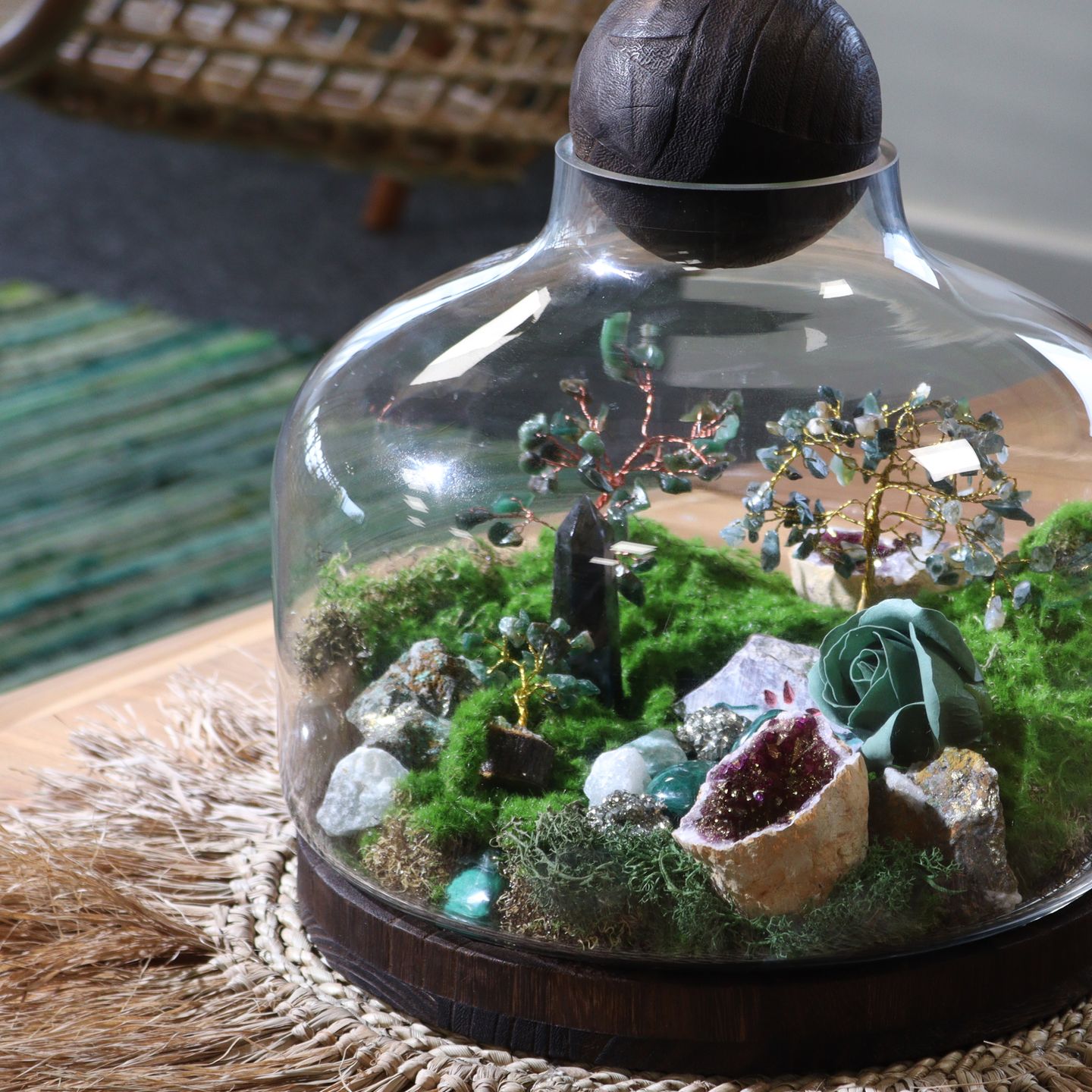
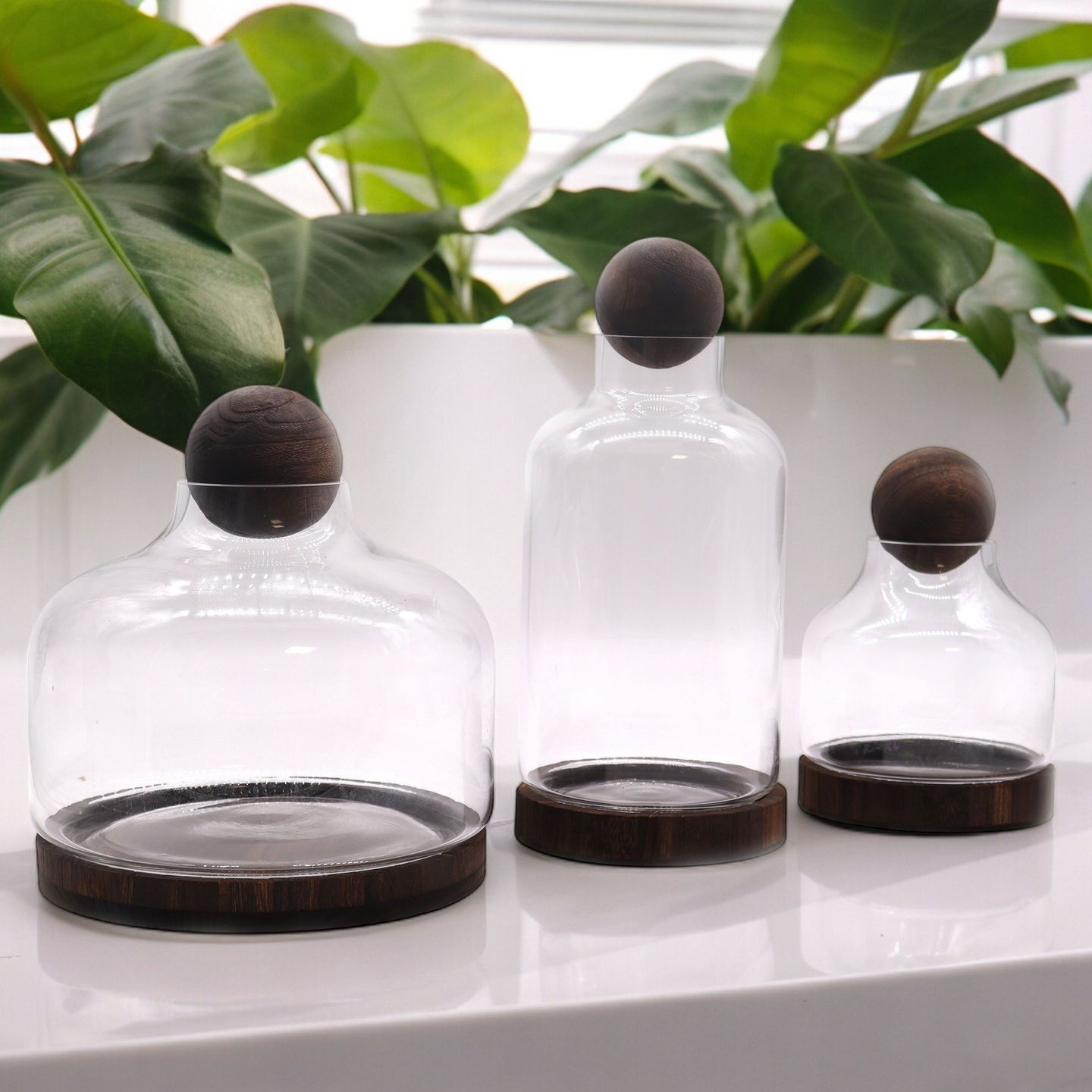
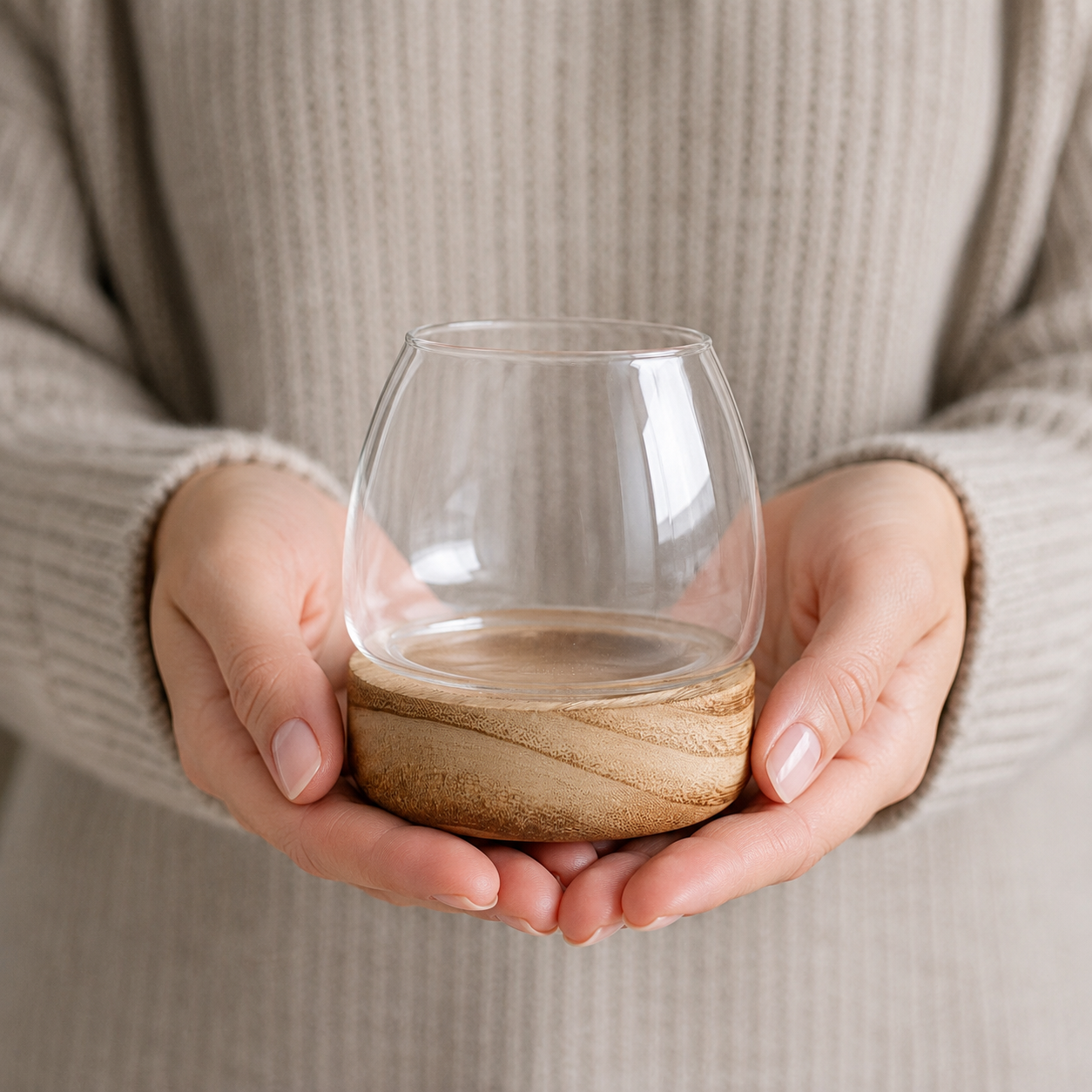
• A display customers can imagine – Show one planted example beside the empty wholesale range and the product’s purpose becomes immediately clear.
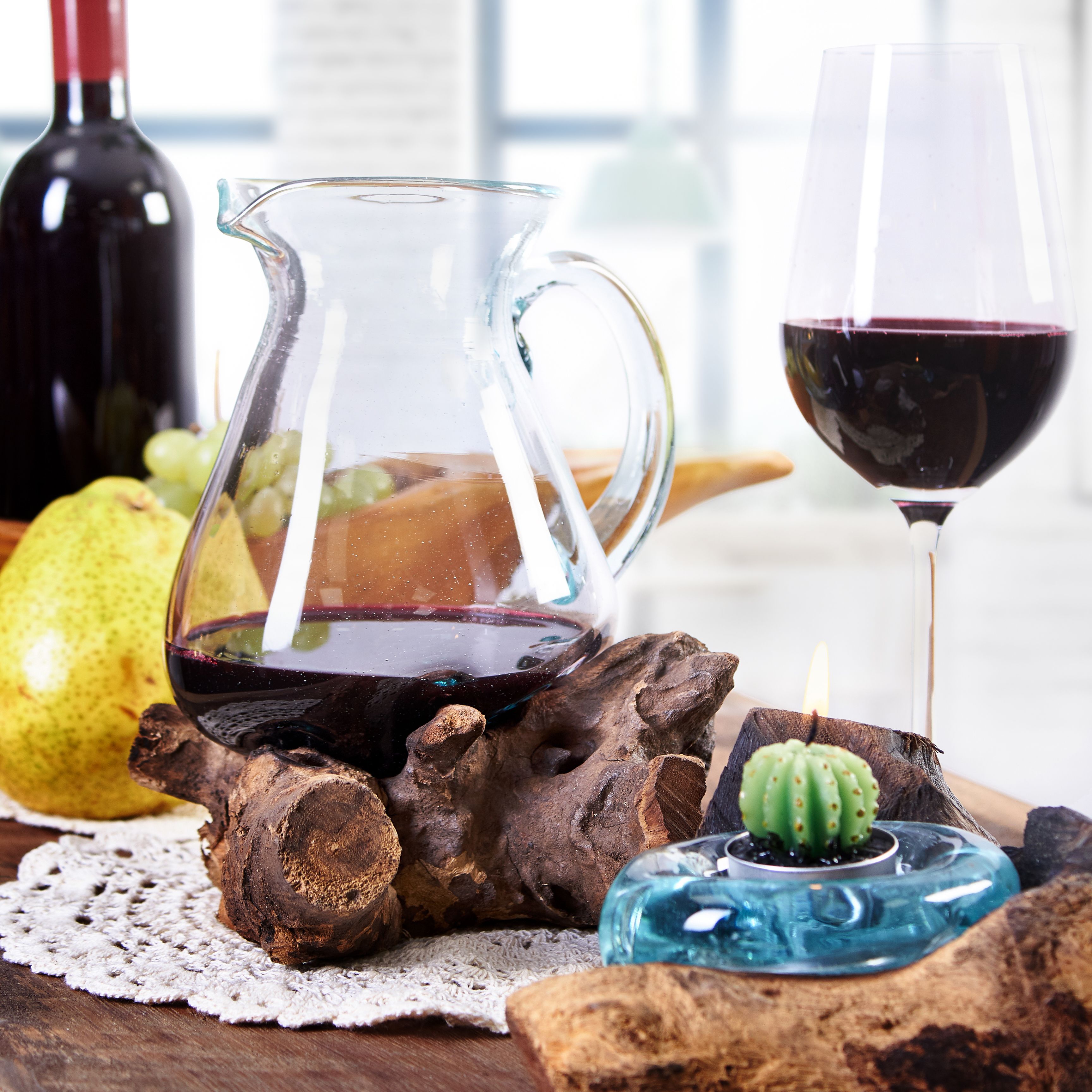
• Two distinct design stories – Geometric glass-and-brass forms offer a light architectural look, while glass vessels on tung wood bring warmer, sculptural character.
• Built for creative retailing – Sell them empty, use them in workshops or assemble finished displays with suitable plants and decorative materials.
• Useful price-point progression – Compact tabletop pieces, mid-sized designs and larger statement forms make it easier to build a graduated display.
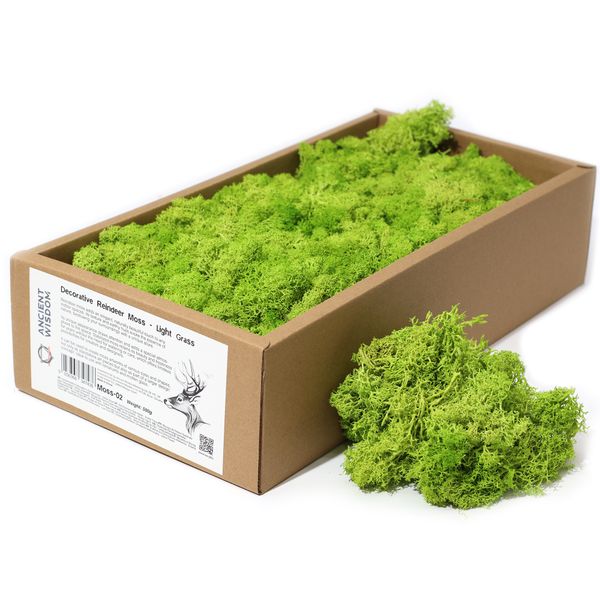
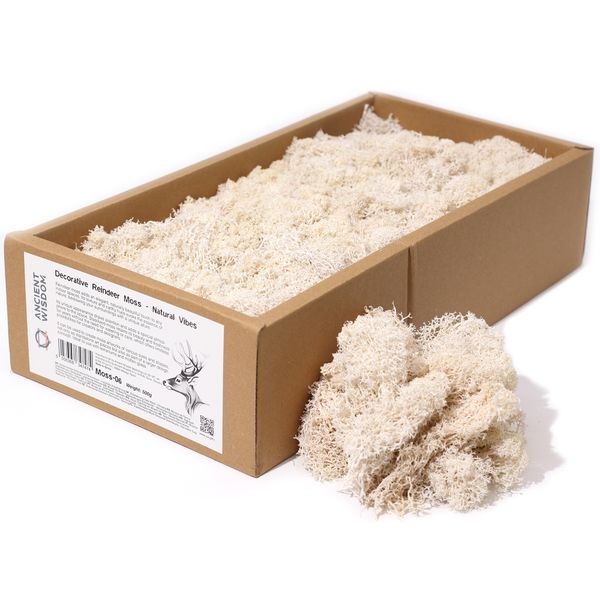
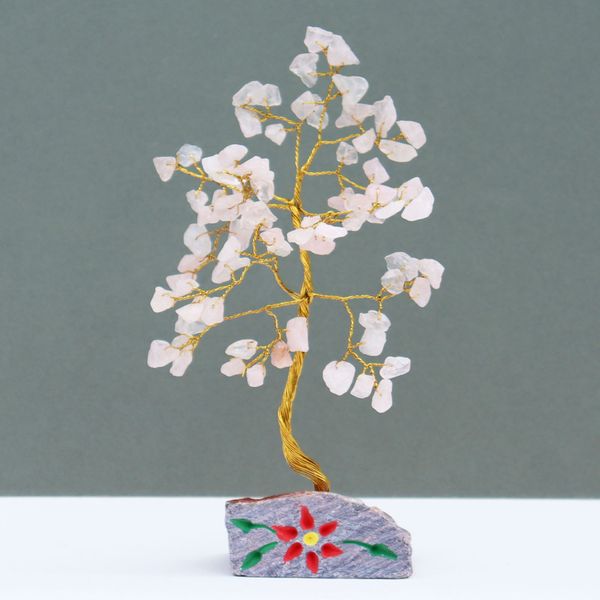
• More than a plant container – Unplanted arrangements using gemstone chips, decorative moss or artificial botanicals provide a practical alternative for customers who do not want plant care.
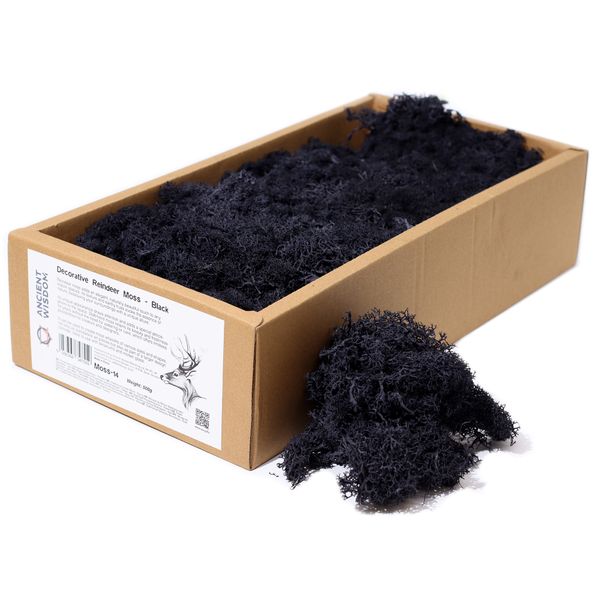
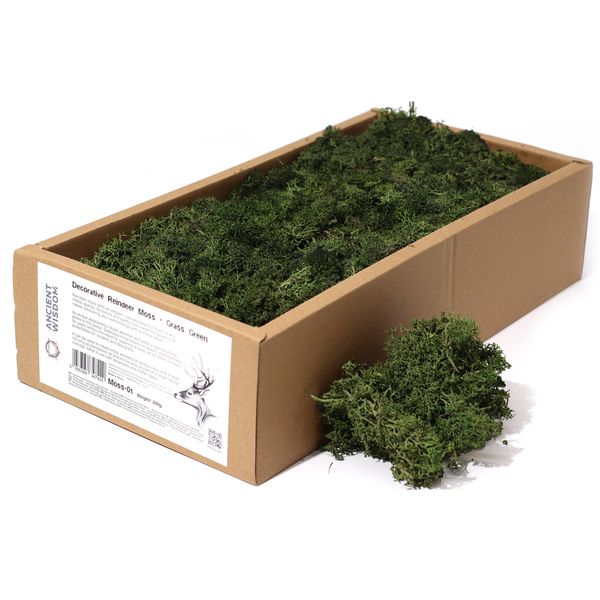
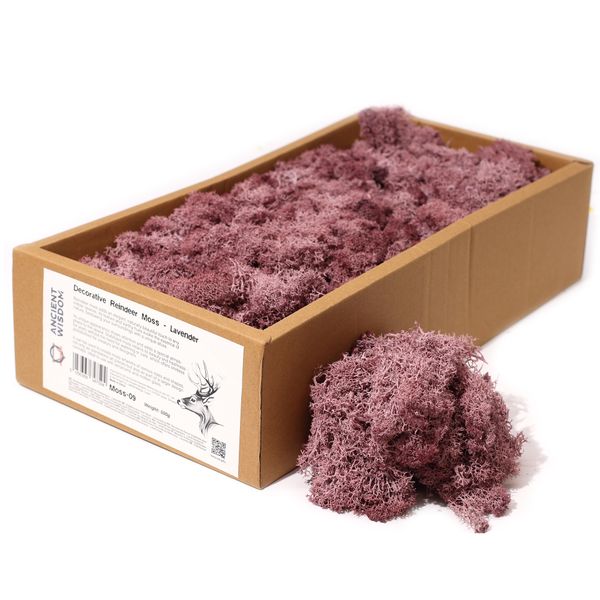
• Strong cross-selling potential – Position alongside decorative moss, gemstone chips, air plants from a suitable supplier and simple terrarium tools.
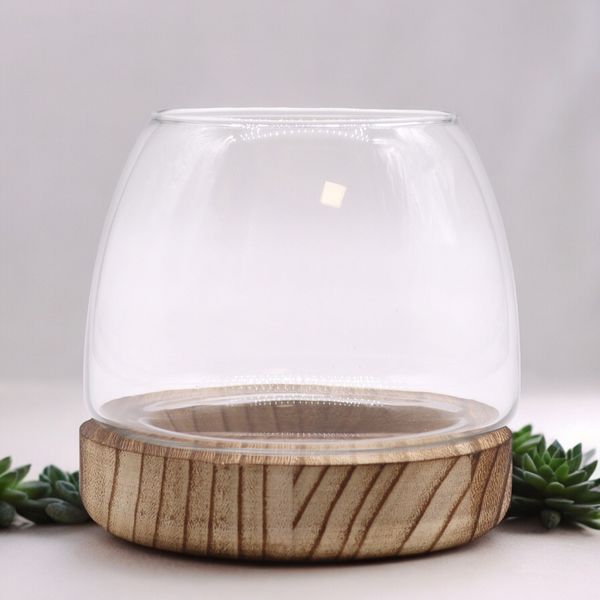

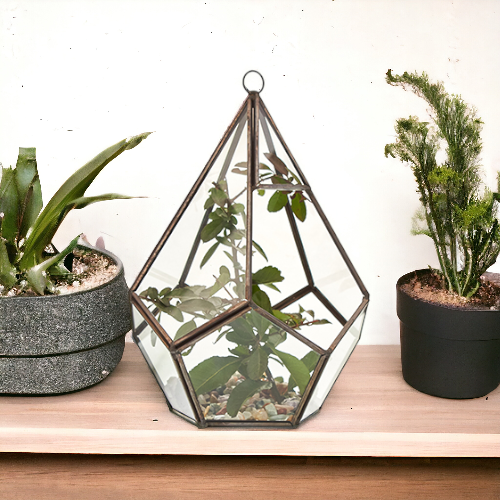

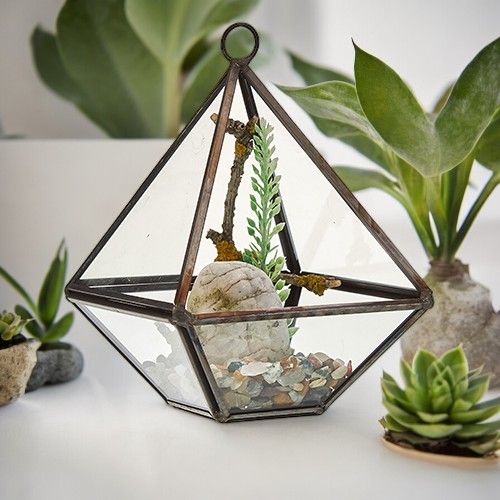

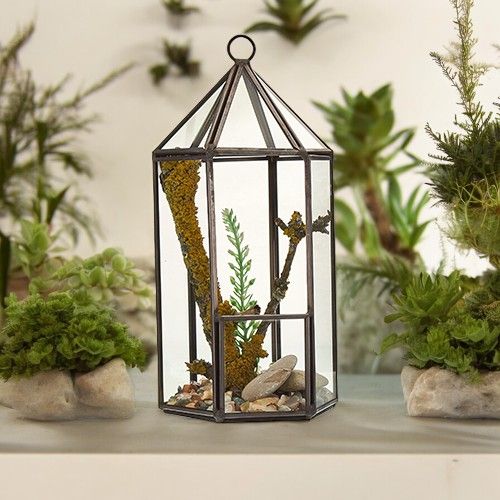

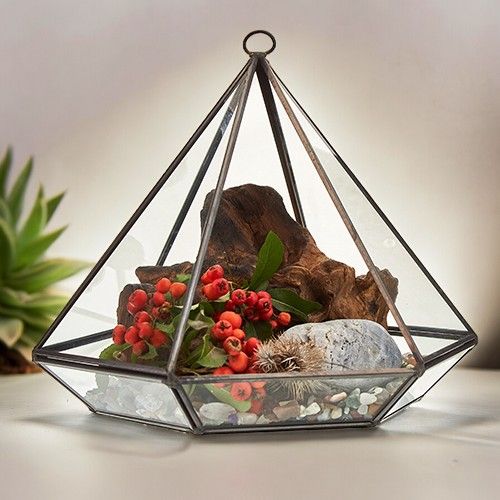













Glass Terrariums
Clear glass, a quiet framework and an empty space waiting for an idea. Ancient Wisdom's Glass Terrariums are wholesale decorative containers for indoor display, and they arrive unplanted — which is exactly what makes them useful. The retailer decides whether they are sold plain, styled in the window as a finished scene, or used as the centrepiece of a make-your-own workshop.
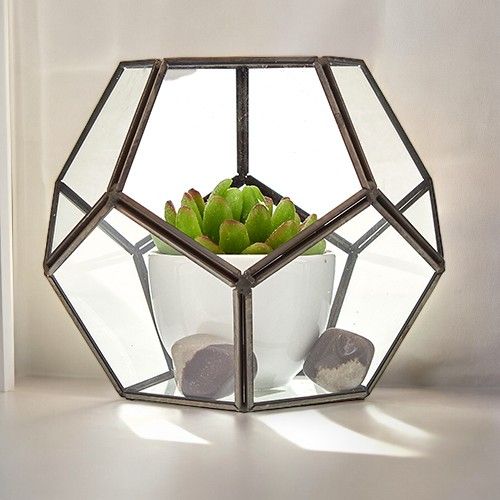
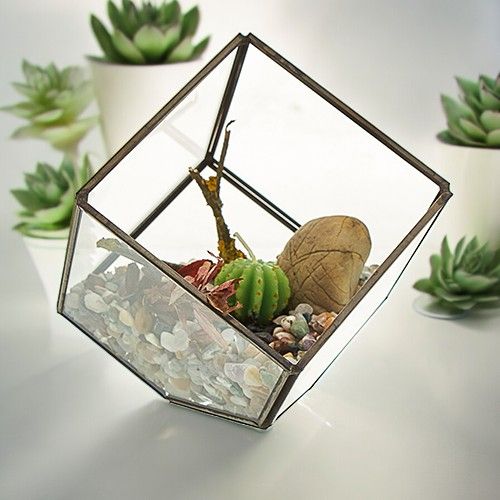
The family runs from a 10x10cm Mini Terrarium on Natural Tung Wood up to the 23x23cm Ex-Large Ball Top Terrarium on Dark Tung Wood, taking in small and large diamonds, a pentagon, an octagon, a lantern shape and a cube balanced on its corner along the way. That spread of sizes and shapes makes it easy to build a graduated display with a genuine entry price and a statement piece at the top, rather than a shelf of near-identical glass.
Two design stories in one family
The range divides neatly into two looks, and it is worth presenting them that way in store.
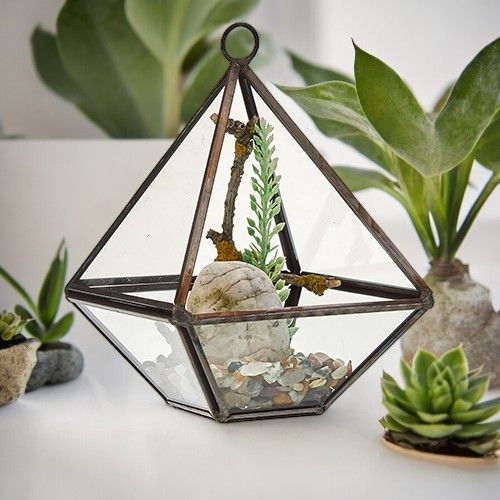
The geometric glass and brass pieces — the diamonds, pentagon, octagon, lantern and cube — use flat panes held in brass-coloured frames. They have a light, architectural, faintly Victorian glasshouse character that sits well in botanical, contemporary and lightly industrial displays.
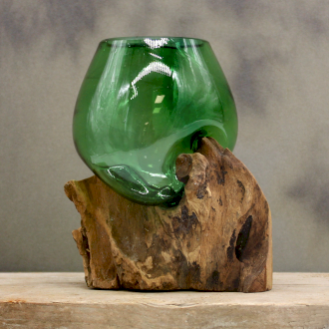
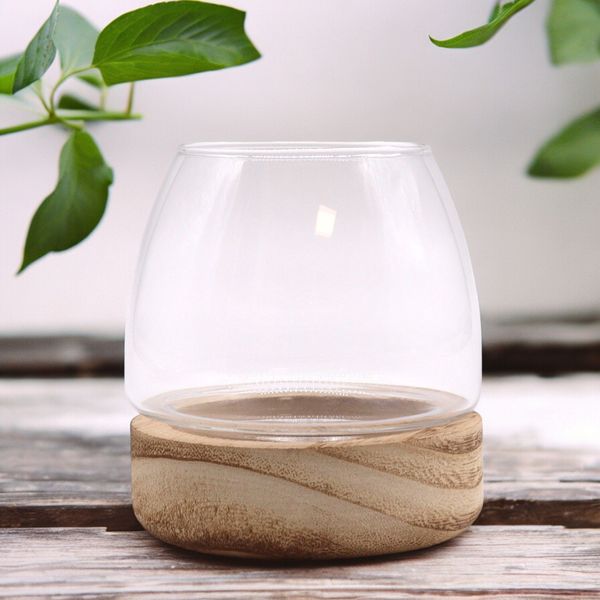
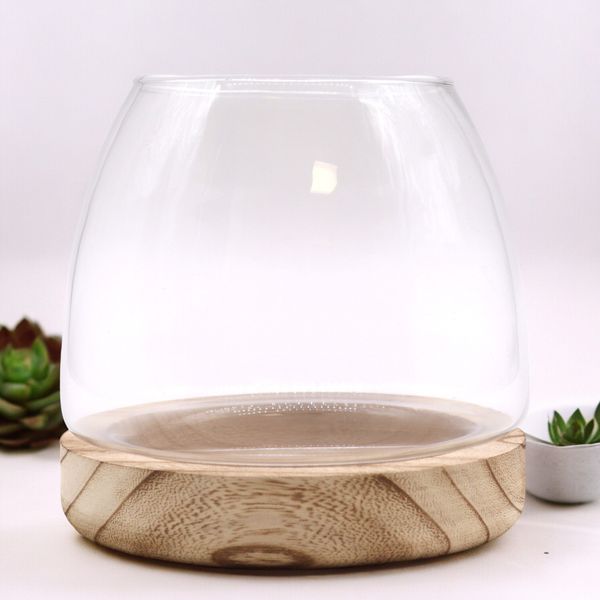
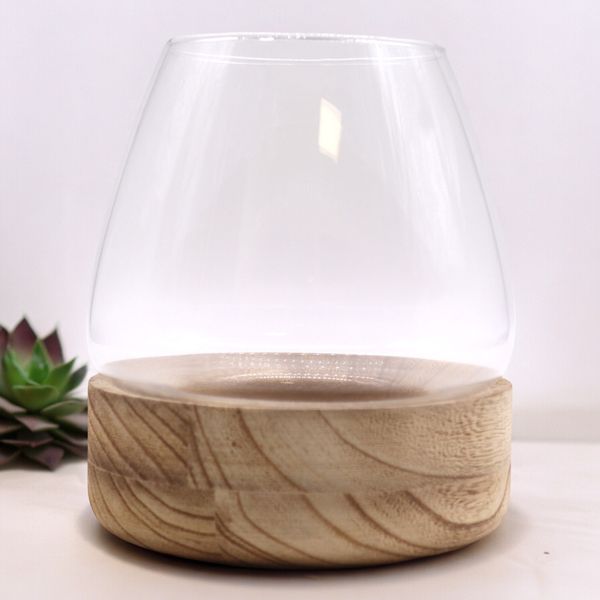
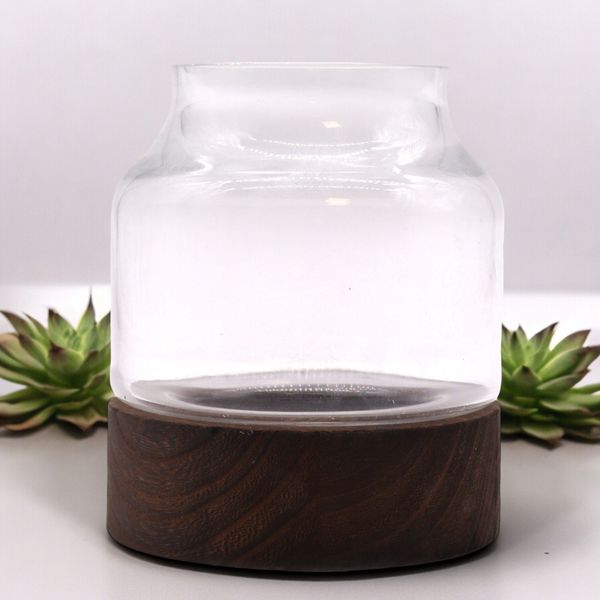
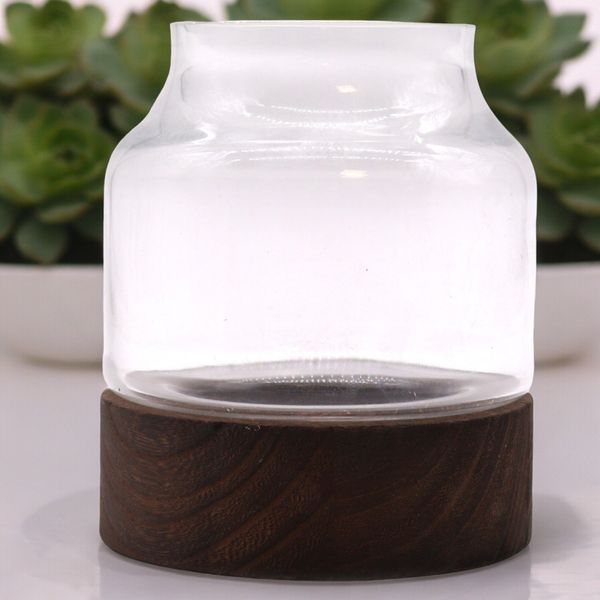
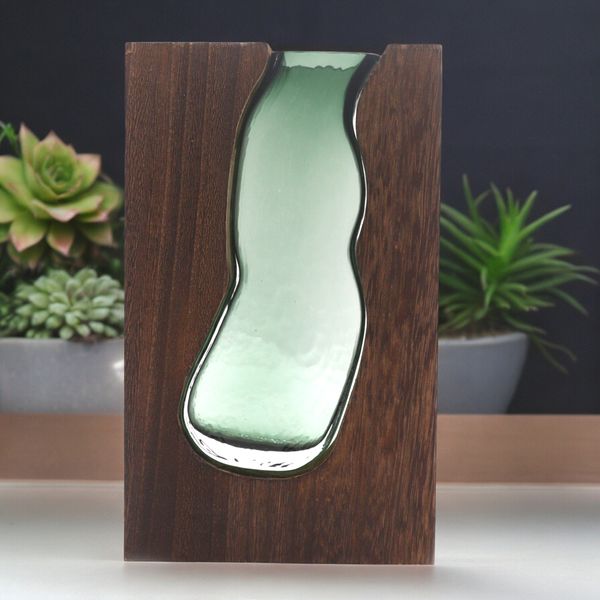
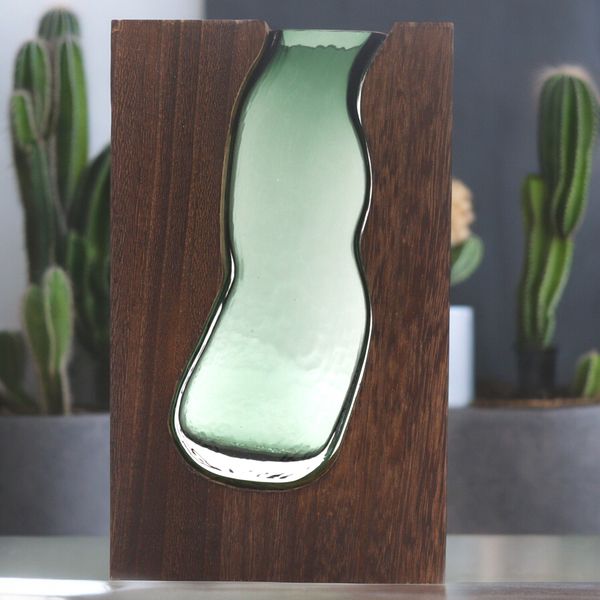
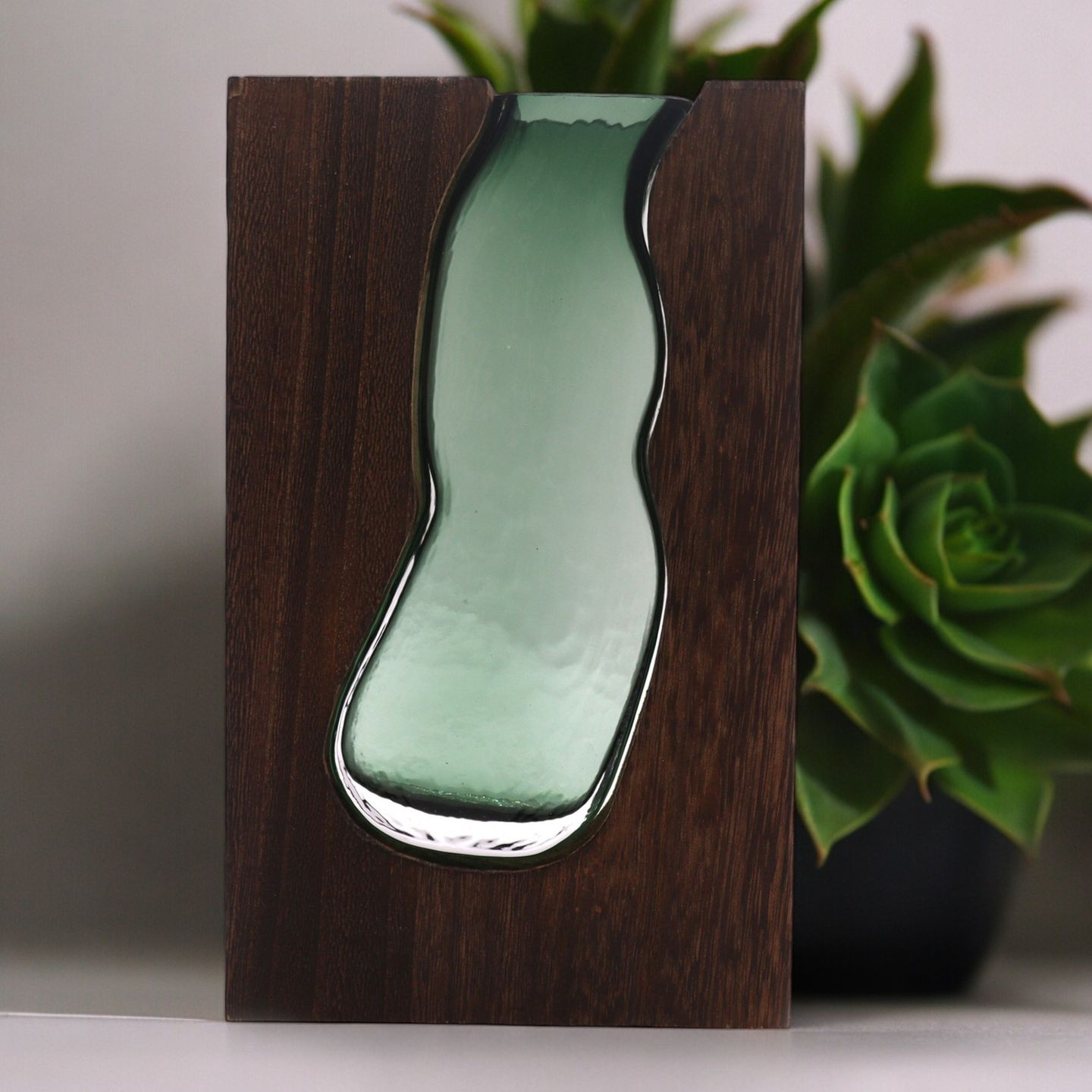
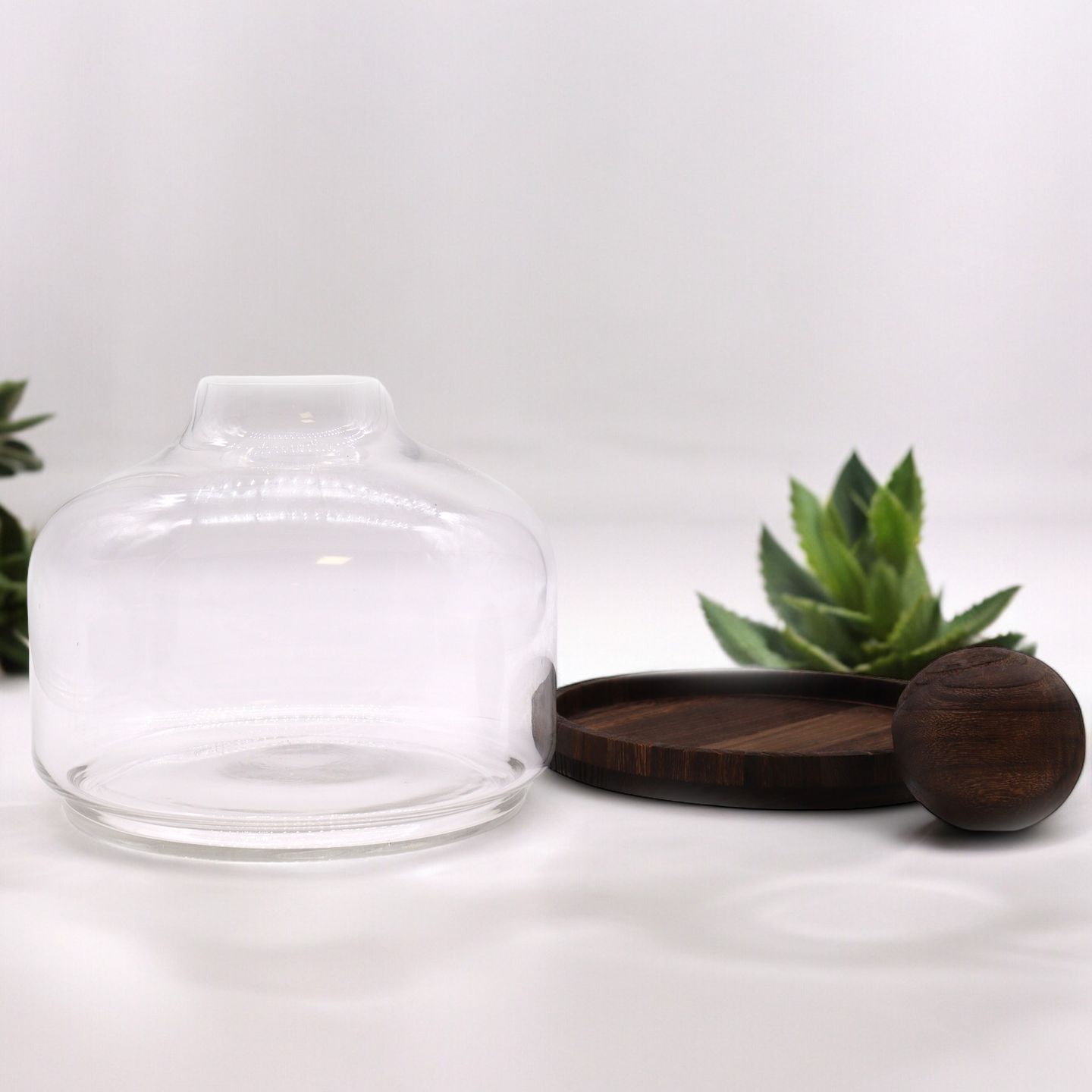
The glass on tung wood designs place a clear glass vessel on a turned base of natural or dark tung wood. Ball-top, shaped and vase forms give this group a warmer, more organic, more sculptural feel, and they settle naturally among houseplants, carved homeware and earthy gift ranges.
Splitting your shelf into these two groups helps customers understand the range in seconds. It also lets a retailer commit to the group that suits their shop instead of buying a little of everything.
A real story behind the shape
The framed designs, in particular, carry an echo of a genuinely good story. In 1829 a London doctor and amateur naturalist, Nathaniel Bagshaw Ward, sealed a moth cocoon in a glass bottle with a little damp soil. Fern and grass seedlings appeared, and Ward noticed that moisture condensed on the glass and returned to the soil. Light came in, moisture circulated, and the plants lived on inside their own small protected atmosphere.
Ward turned the observation into a glazed travelling case. Before it, shipping live plants by sea was close to a lottery — salt spray, poor light and irregular watering killed most specimens. A Wardian case could sit on deck in the light while keeping seawater out, and a trial shipment of ferns, mosses and grasses reached Sydney alive in 1833. Kew Gardens was using the cases routinely by 1847 and kept using them until 1962. It is worth being straight about the context: those cases belonged to an era of international plant collecting and the commercial, colonial movement of valuable species.
These terrariums are decorative containers, not reproductions of any documented historical case. But the visual echo is real, and it gives shop staff something far more interesting to say over the counter than another line about a passing interior trend.
Open or closed makes a difference
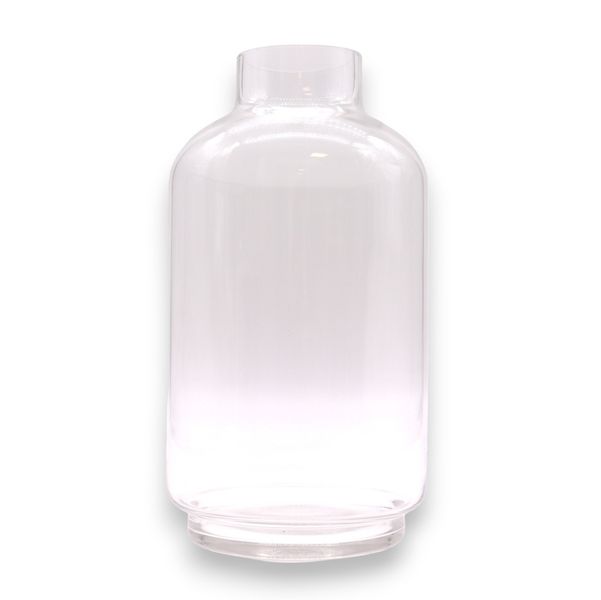
Some designs in this family are open, some have lids, and some are narrow glass vessels. That distinction decides what can sensibly go inside, so it is worth getting right rather than describing every piece as a self-sustaining miniature ecosystem.
A genuinely closed container holds humidity and recirculates moisture, which can suit small, slow-growing tropical plants, miniature ferns and mosses. An open design allows more airflow and generally suits plants that dislike constant humidity, including many succulents. Air plants can be displayed in open vessels, though they should not be planted into ordinary compost and still need species-appropriate care.
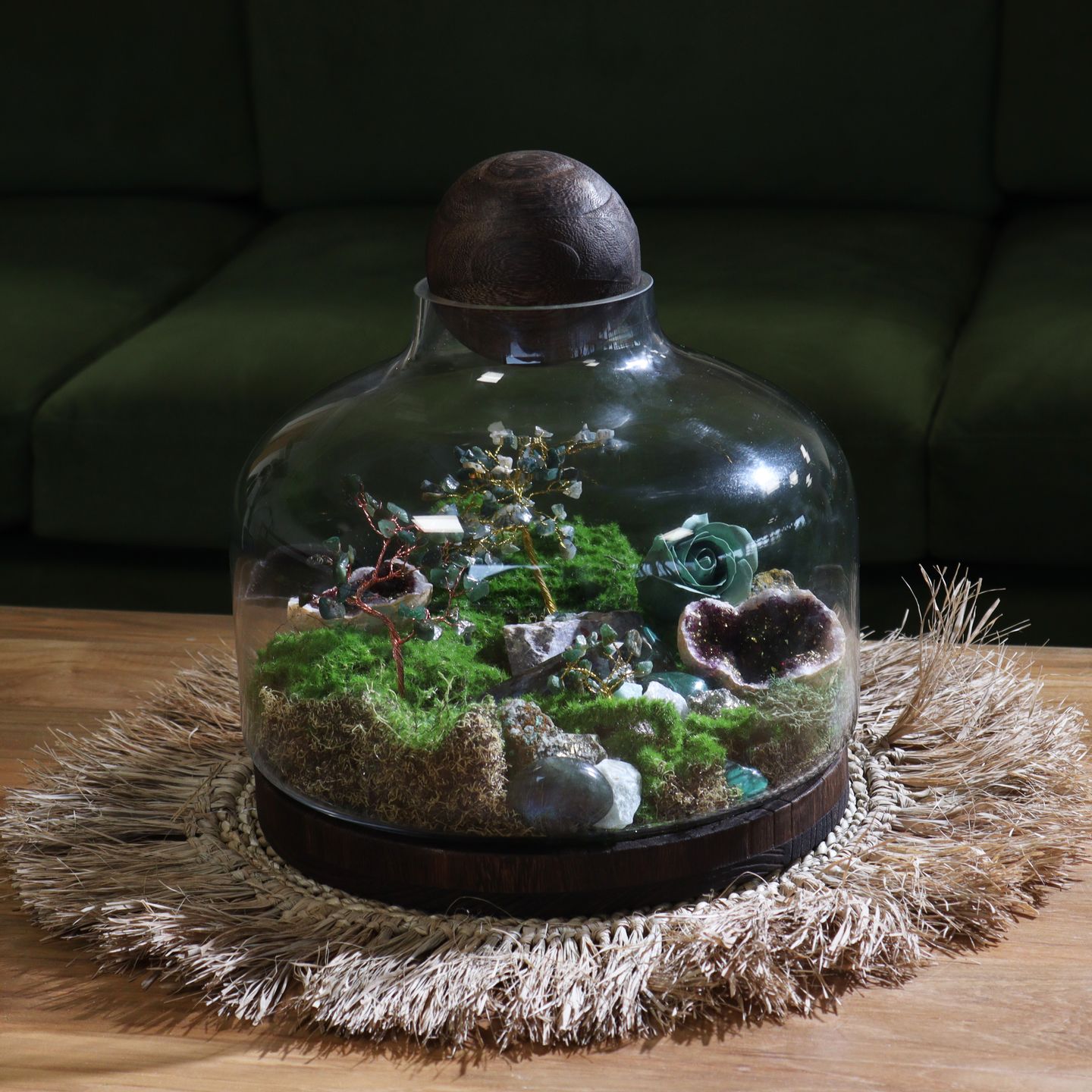
"Low maintenance" is not a property of the glass. It depends on the container, the plant, the growing medium, the light and the watering. For any planted display, bright indirect light is the sensible recommendation — glass concentrates heat, and too much moisture invites rot or mould. Encourage customers to take plant-specific advice, and point out the simplest option of all: an unplanted arrangement of gemstone chips, decorative moss, dried stems or artificial botanicals gives the whole look with no horticultural responsibility at all.
Selling an empty vessel
An empty terrarium asks the customer to supply the imagination. Do that work once, and the display keeps doing it all week.
Prepare one finished demonstration in a suitable open design and stand an undecorated example beside it, so shoppers can see precisely what they are buying and precisely what it could become. A second, completely plant-free demonstration — layered gemstone chips, a little decorative moss, one small artificial botanical — proves the point to gift shops that do not sell living plants, and shows how the same vessel becomes a seasonal scene, a keepsake display or simply a handsome container.
Keep loose materials contained and clearly priced, and if you sell a ready-made terrarium, list every component you have included and supply your own plant-care note. That finished arrangement is your product, not ours.
Two clear formats – geometric glass with brass-coloured frames, and clear glass on natural or dark tung wood bases.
A full size progression – compact tabletop pieces from 10x10cm through mid-sized designs to 23x23cm statement forms.
Sold empty, on purpose – stock them plain, style them as finished displays, or build a workshop around them.
Plant-free options work – gemstone chips, decorative moss, dried flowers and artificial foliage all suit these vessels.
Strong cross-selling – position alongside decorative moss, gemstone chips, terrarium tools and, if you stock them, air plants from a suitable supplier.
A story worth telling – the glasshouse shape connects to the Wardian cases that changed nineteenth-century plant transport.
Care and handling
Please note: these are glass decorative objects and should be handled as such. Lift them by the base or main body rather than by a lid, frame or decorative top loop. Clean the glass with a soft dry or slightly damp cloth, avoid abrasive cleaners, dry any metalwork promptly and do not soak the wooden bases. Natural wood varies modestly in grain and tone from piece to piece — that is normal material variation, and part of the charm.
We do not describe these designs as watertight, food-safe, candle-safe or suitable for use as aquariums, and they should be sold for indoor display. Where a design appears to have a top loop, treat it as decorative rather than as a fixing point for hanging.
Give your customers the glass, the shape and the idea — and let them decide what lives inside. Build a display around a graduated set today.
Sells Well With