FAIRLY TRADING WHOLESALE GIFTS SINCE 1995

logo
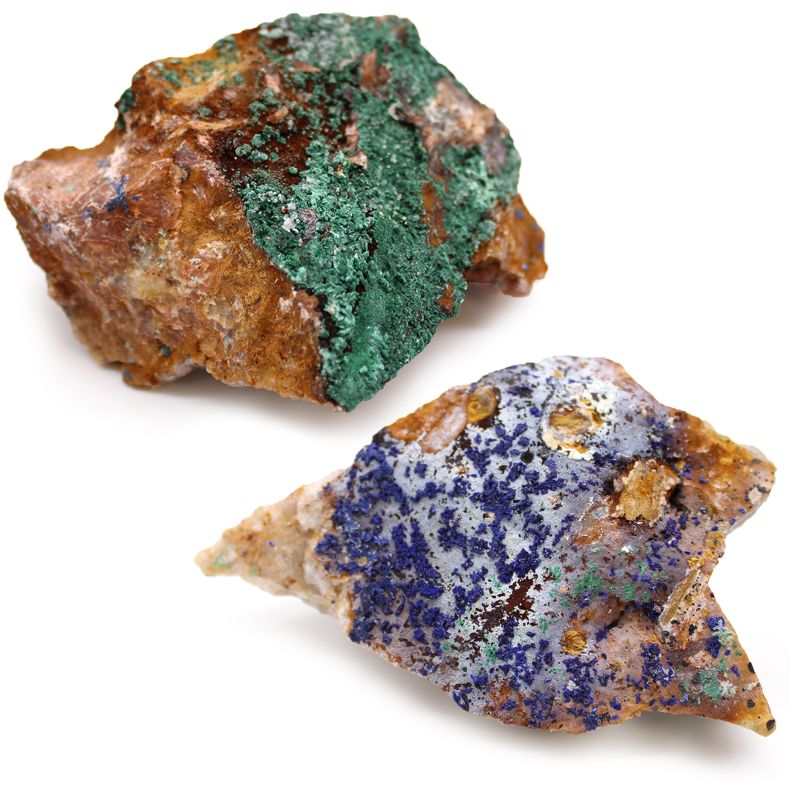
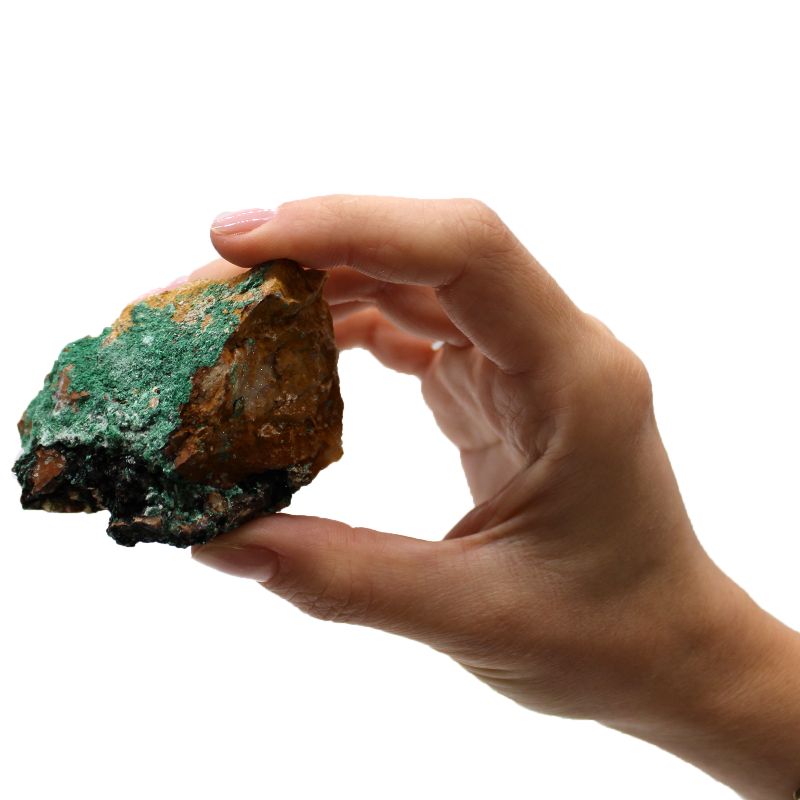
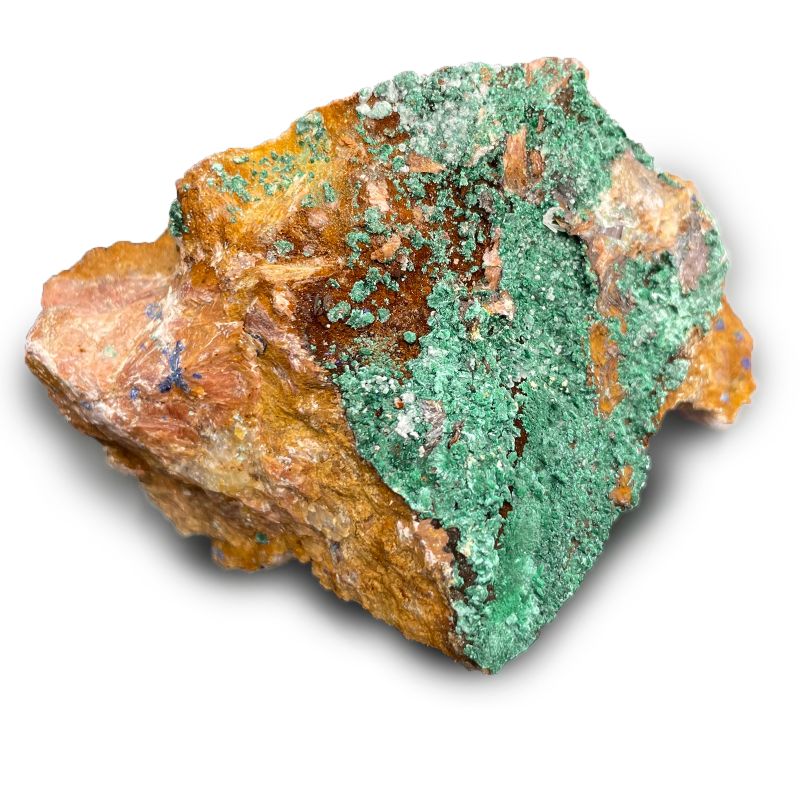
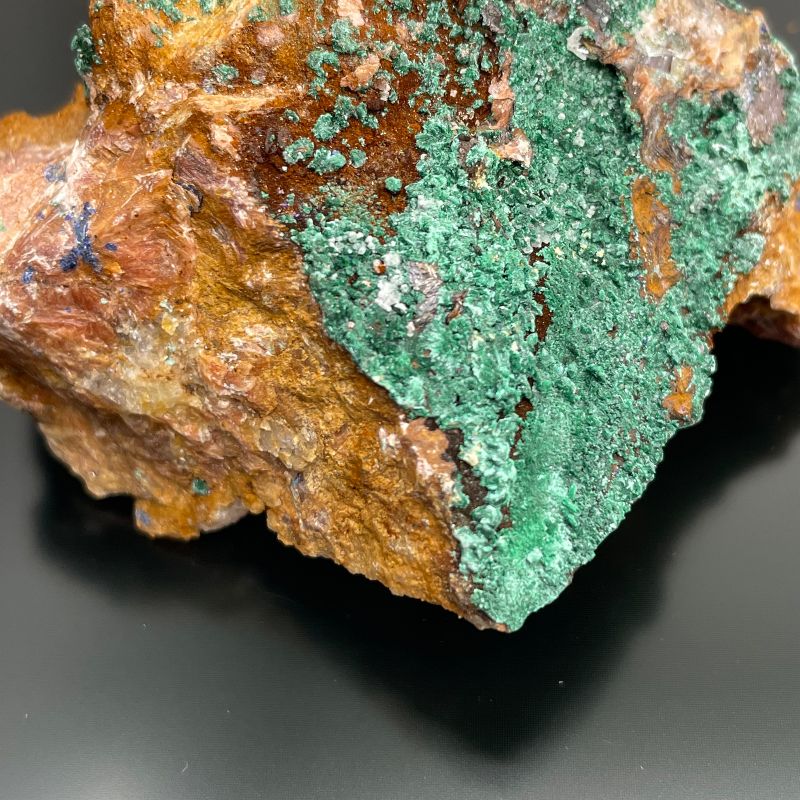
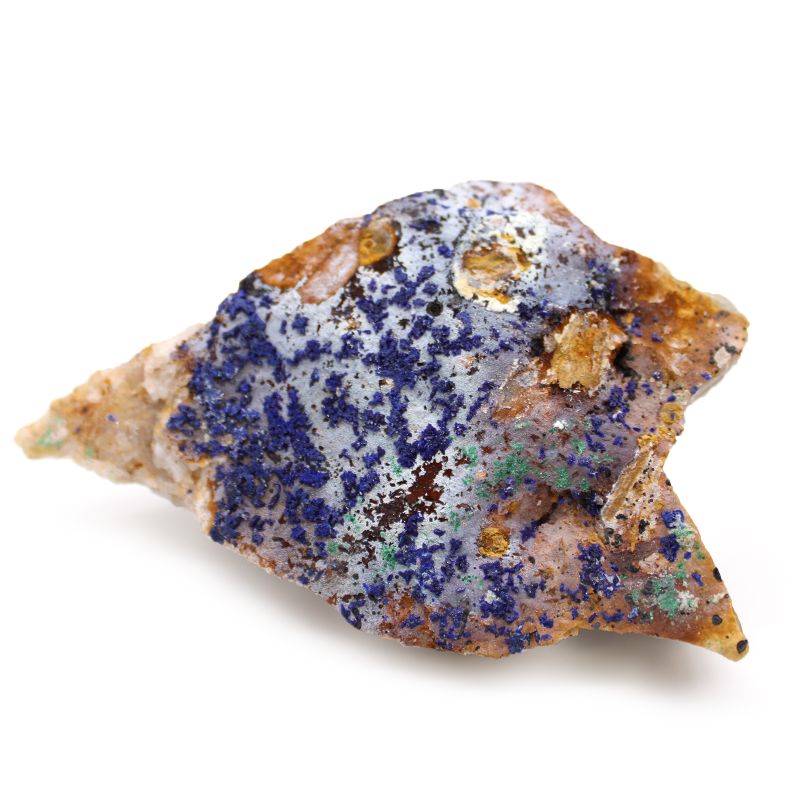
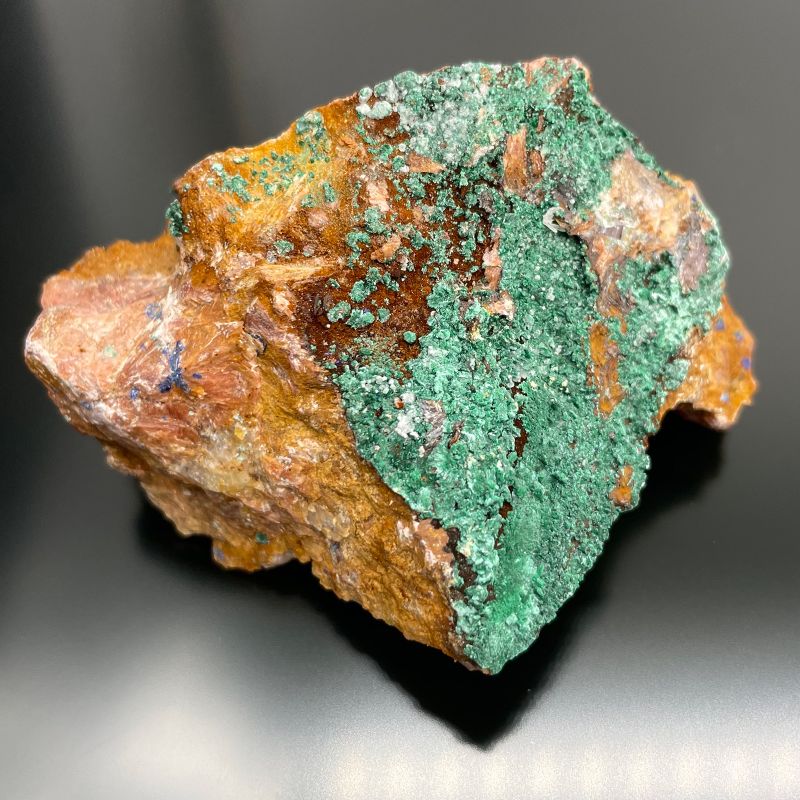
Mineral Specimens - Azurite Malachite (approx 20 pieces)

Mineral Specimens - Azurite Malachite (approx 20 pieces)

Product code: MinSP-06
Login or Register for Wholesale Prices
Product Specification
Net Weight
3000 g/Flat
Shipping Weight
3000 g
Barcode
5056368319327
Origin Country
MoroccoMorocco

Azurite Malachite is a mixture of azurite and malachite, usually in the form of dense clusters. It has a beautiful blue-green colour. This stone has a high collector's value, but according to lithotherapy, it also has a positive effect on the condition of the human body and spirit. Very often in esoteric circles, azurite malachite is called a stone of positive energy.

Can I divide bulk quantities and sell minerals individually? +

Yes. Trays are well suited to individual resale, but the number, size and character of the specimens can vary. It makes sense to inspect each delivery and price individual pieces according to their size, formation and overall appearance rather than assuming every specimen in the tray has equal retail value.

Are all the specimens suitable for customers to handle freely? +

Not necessarily. Some mineral formations are quite fragile, and this range also includes galena, where that dust may be toxic if inhaled or ingested. Delicate or potentially dusty specimens are better kept in a cabinet or handled under staff supervision.

Can I clean every mineral specimen in the same way? +

No. Minerals vary considerably in hardness, chemical stability and fragility, so one cleaning method is not suitable for the whole range. For ordinary shop dust, start with a soft brush or air puffer and avoid soaking, scrubbing or using household chemicals unless you know the particular mineral can tolerate it.

Are these suitable to market to children as educational specimens? +

They can certainly be interesting for learning about geology, but the whole family should not automatically be treated as children’s products. Some specimens may have sharp or fragile crystal formations, while certain minerals contain elements that call for more careful handling, so adult-supervised educational use is the safer positioning.

Does pyrite need any special storage conditions? +

Yes, keeping it reasonably dry is important. Pyrite can oxidise in humid conditions and may eventually develop powdery or crumbling areas; conservation guidance identifies relative humidity above about 50% as a particular concern for susceptible specimens.

What should I do if a specimen starts to crumble, powder or change appearance? +

Separate it from neighbouring stock rather than brushing the loose material around the display. Some minerals can deteriorate through changes in humidity, oxidation or other environmental conditions; pyrite is a well-known example, so affected pieces are best kept dry and handled as little as possible.

Share your feedback and Get £10 Voucher